


Spending on the machines that store and process data is rising faster than any other part of the IT budget. Gartner’s July 2026 forecast puts worldwide spending on data center systems at $822 billion in 2026, up 62.5% in a year, inside a total IT budget of $6.37 trillion. Fortune Business Insights projects the big data analytics market to reach $447.68 billion in 2026 and to pass $1.1 trillion by 2034.
Reported earnings impact is lagging behind adoption. In McKinsey’s 2025 survey, 88% of organizations used AI in at least one business function but only 39% reported any earnings impact from it; in the 2026 survey that share was 37%. IBM’s 2026 breach report puts the average cost of a data breach at a record $4.99 million, and one in four malicious breaches was AI-enabled.
This page collects big data statistics for 2026 on market size, IT spending, data volume, the largest data platform companies, business adoption, industry use, jobs and security. Figures from earlier versions of this page are kept where their source still supports them and shown next to the newer number where one exists. Figures that could not be confirmed are listed near the end with the reason.
On this page
- Big Data Market Size Statistics
- Data Infrastructure Spending Statistics
- How Much Data Is Created And Stored
- Data Platform Company Statistics
- Big Data Adoption And Investment Statistics
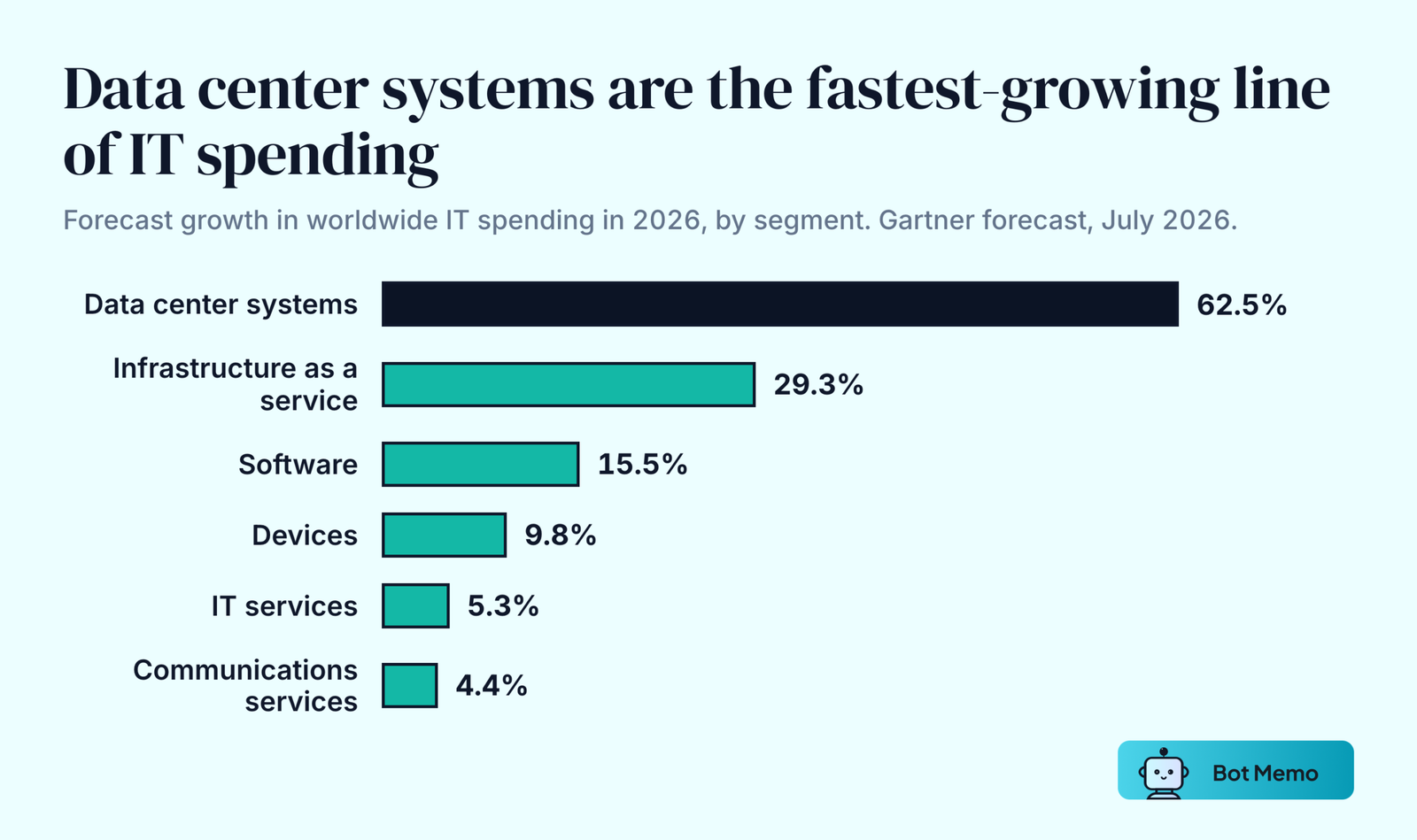
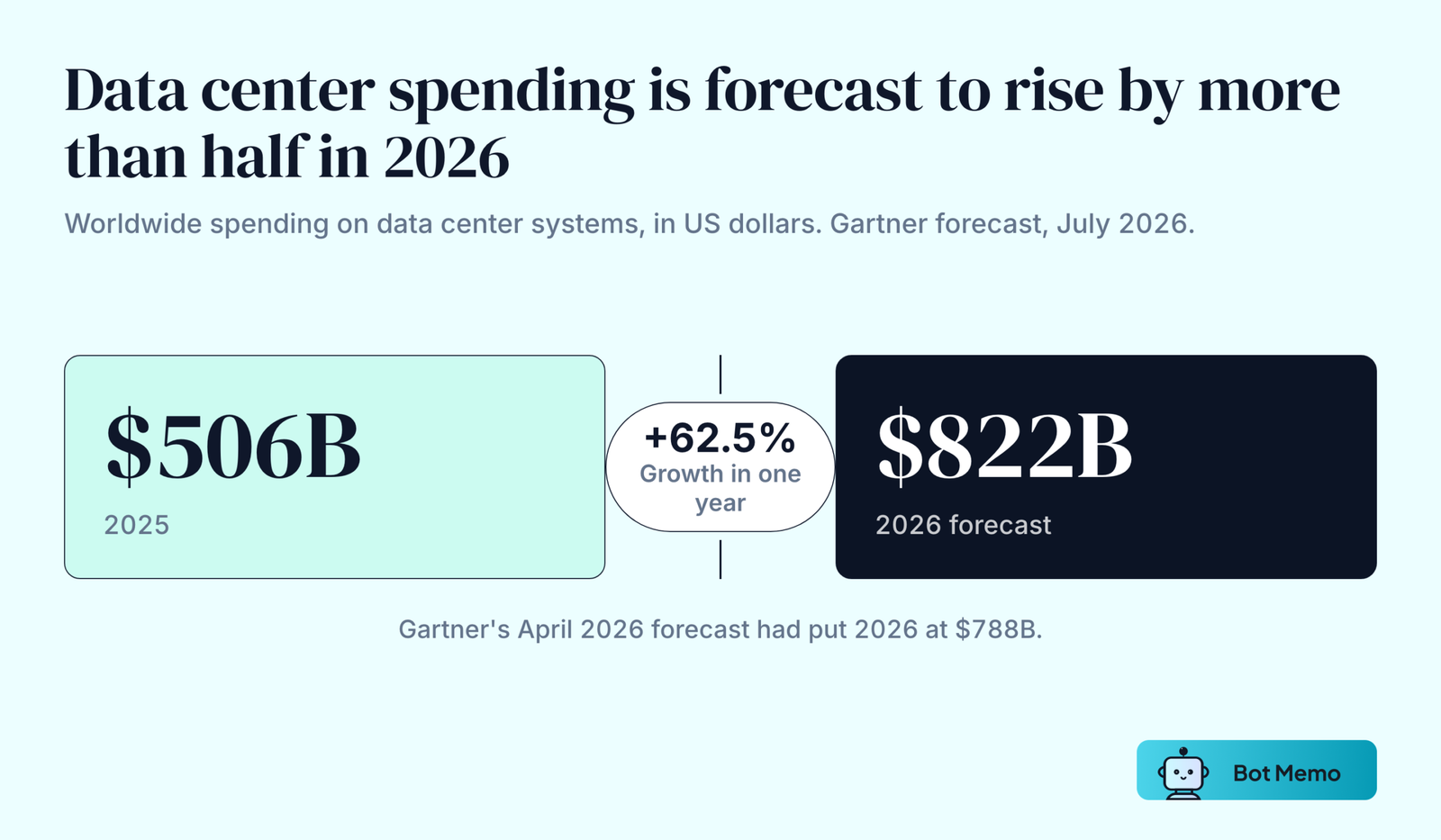
- Big Data By Industry
- Data Scientist And Big Data Jobs Statistics
- Data Security And Privacy Statistics
- Key Takeaways
- Frequently Asked Questions
- Figures Corrected Or Removed From Earlier Versions
- Sources And Methodology
Big Data Market Size Statistics
Big Data Analytics Market
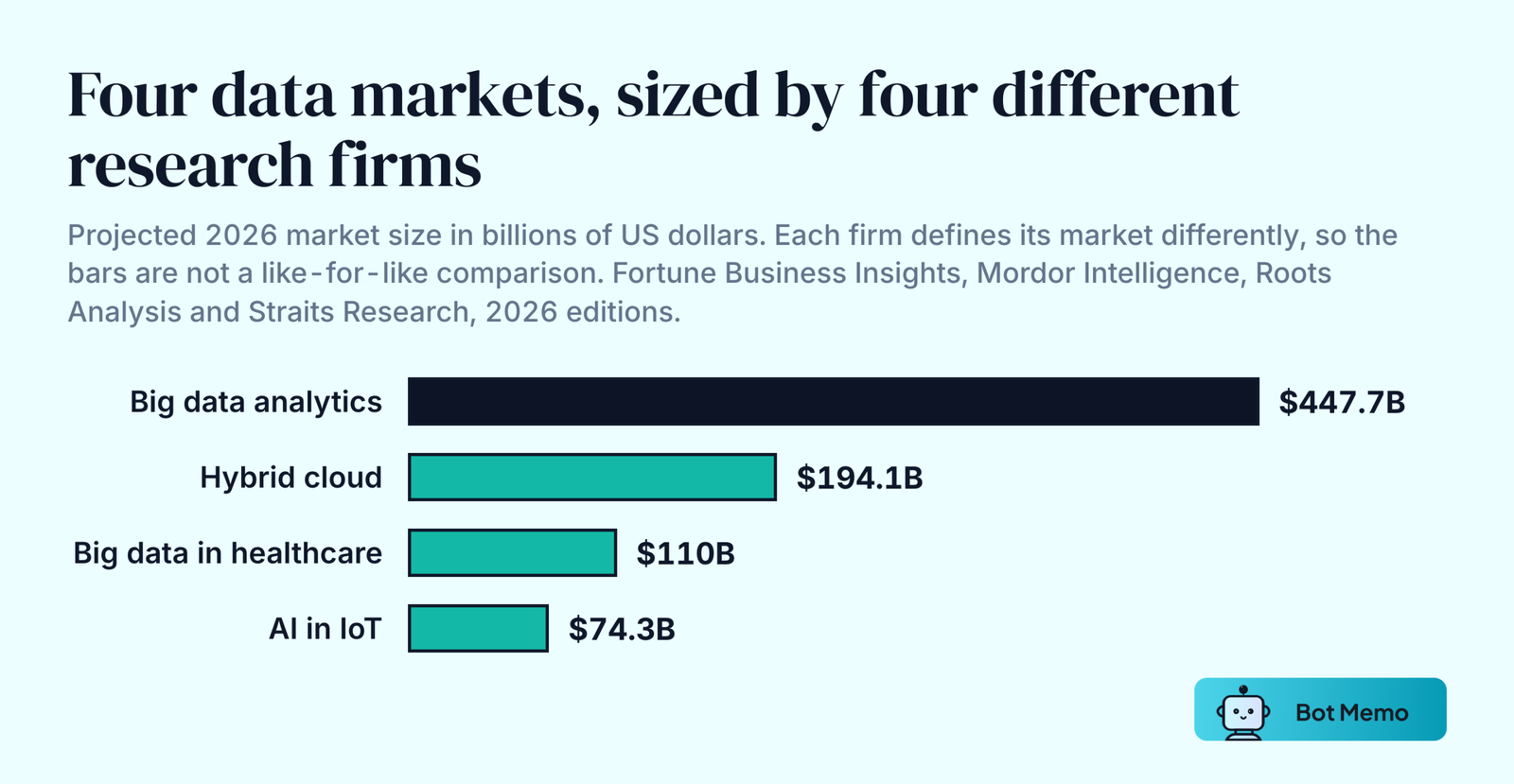
1. The global big data analytics market was worth $394.70 billion in 2025 and is projected to grow from $447.68 billion in 2026 to $1,176.57 billion by 2034, a compound annual growth rate of 12.80%. An earlier edition of the same report projected about $962 billion by 2032 at 13.5% a year. (Fortune Business Insights, updated September 2026)
2. North America held 36.40% of the big data analytics market in 2025, worth $143.7 billion. (Fortune Business Insights, September 2026)
3. Banking, financial services and insurance (BFSI) is projected to be the largest industry segment, with 22.31% of the market in 2026. An earlier edition gave BFSI 22.8% and named retail as the fastest-growing segment; the current edition expects healthcare to grow fastest. (Fortune Business Insights, September 2026)
Cloud, Edge And IoT Markets
4. The hybrid cloud market is expected to grow from $168.86 billion in 2025 to $194.14 billion in 2026 and $347.82 billion by 2031, a growth rate of 12.37% a year. Asia-Pacific is the fastest-growing region at 13.76% a year, while North America held 41.12% of 2025 revenue. An earlier edition valued the market at about $130 billion with 22.1% annual growth. (Mordor Intelligence, 2026)
5. In an older forecast, the edge computing market was valued at $2.49 billion in 2020 and is projected to reach $68.71 billion by 2030, growing 33.1% a year from 2021 to 2030. (Next Move Strategy Consulting, 2021)
6. The AI in IoT market was valued at $61.01 billion in 2025 and is projected to grow from $74.32 billion in 2026 to $360.47 billion by 2034, growing 21.82% a year. Asia-Pacific is the second-largest region and is expected to grow faster than the market as a whole, at 29.25% a year. (Straits Research, 2026)
7. The big data in healthcare market was valued at $93 billion in 2025 and is projected to reach $110 billion in 2026 and $540 billion by 2035, growing 19.37% a year from 2026. The 2022 edition gave the same $540 billion target with a 19.06% growth rate over 2023 to 2035. (Roots Analysis, July 2026)
Data Infrastructure Spending Statistics
Worldwide IT And Data Center Spending
8. Worldwide IT spending is forecast to reach $6.37 trillion in 2026, up 14.2% from $5.58 trillion in 2025. Gartner’s April 2026 forecast had put 2026 at $6.31 trillion, up 13.5%. (Gartner, July 2026; Gartner, April 2026)
9. Spending on data center systems is forecast to rise 62.5% to $822 billion in 2026, from $506 billion in 2025. In April, Gartner had forecast more than $788 billion and growth of 55.8%. (Gartner, July 2026)
10. Infrastructure as a service is the second-fastest-growing segment, forecast to rise 29.3% to $287 billion in 2026. Software spending is forecast to grow 15.5% to $1.47 trillion. (Gartner, July 2026)
Venture Funding For Data And AI
11. Venture and growth investors put $425 billion into more than 24,000 private companies in 2025, up 30% from $328 billion in 2024, and close to half of it went to AI companies. (Crunchbase News, January 2026)
12. Global spending on AI rose from $293,000 a minute in 2024 to more than $1.21 million a minute in 2025, a 312% increase. In the same minute, 1.9 million computer chips are sold. (Domo, Data Never Sleeps: AI Edition, August 2025)
For more on where AI capital is going, see our AI startup funding statistics and our list of top AI infrastructure startups.
How Much Data Is Created And Stored
Global Data Volume
13. Statista’s November 2025 forecast expects the amount of data created, captured, copied and consumed worldwide to triple between 2025 and 2029. (Statista, November 2025)
14. Total global data storage was projected to exceed 200 zettabytes by 2025, counting private and public IT infrastructure, cloud data centers, personal devices and IoT devices. About half of it was expected to sit in the cloud, up from about 25% in 2015. (Cybersecurity Ventures, February 2024)
15. About 80% of the global datasphere, forecast at 163 zettabytes in 2025, was expected to be unstructured data such as documents, images, audio and video, according to analysts cited in a report by nRoad. (VentureBeat, May 2022)
16. IDC forecast in 2019 that 41.6 billion connected IoT devices would generate 79.4 zettabytes of data in 2025. (IDC via Business Wire, June 2019)
17. Amazon S3 stored more than 100 trillion objects in 2021. By March 2026 it stored more than 500 trillion objects across hundreds of exabytes and handled more than 200 million requests a second. (How Big Is Big Data?, PMC, October 2023; AWS, March 2026)
What Happens On The Internet In One Minute
18. Amazon made more than $455,000 in sales every minute in 2023. In the same minute, Spotify users streamed 69,444 Taylor Swift songs, Instagram users sent more than 694,000 reels by direct message, and viewers watched more than 40 years of streaming content. (Domo, Data Never Sleeps 11.0, December 2023)
19. Google searches fell 6%, from 6.3 million a minute in 2023 to 5.9 million in 2024. Siri answers more than 1 million questions a minute and TikTok users upload 16,000 videos. (Domo, Data Never Sleeps 12.0, December 2024)
20. Netflix members watched more than 140 million hours a day in 2017. In 2024, viewers streamed 362,962 hours of Netflix every minute, down 19% from 2021. (Netflix, December 2017; Domo, Data Never Sleeps 12.0, December 2024)
Data Platform Company Statistics
Databricks And Snowflake
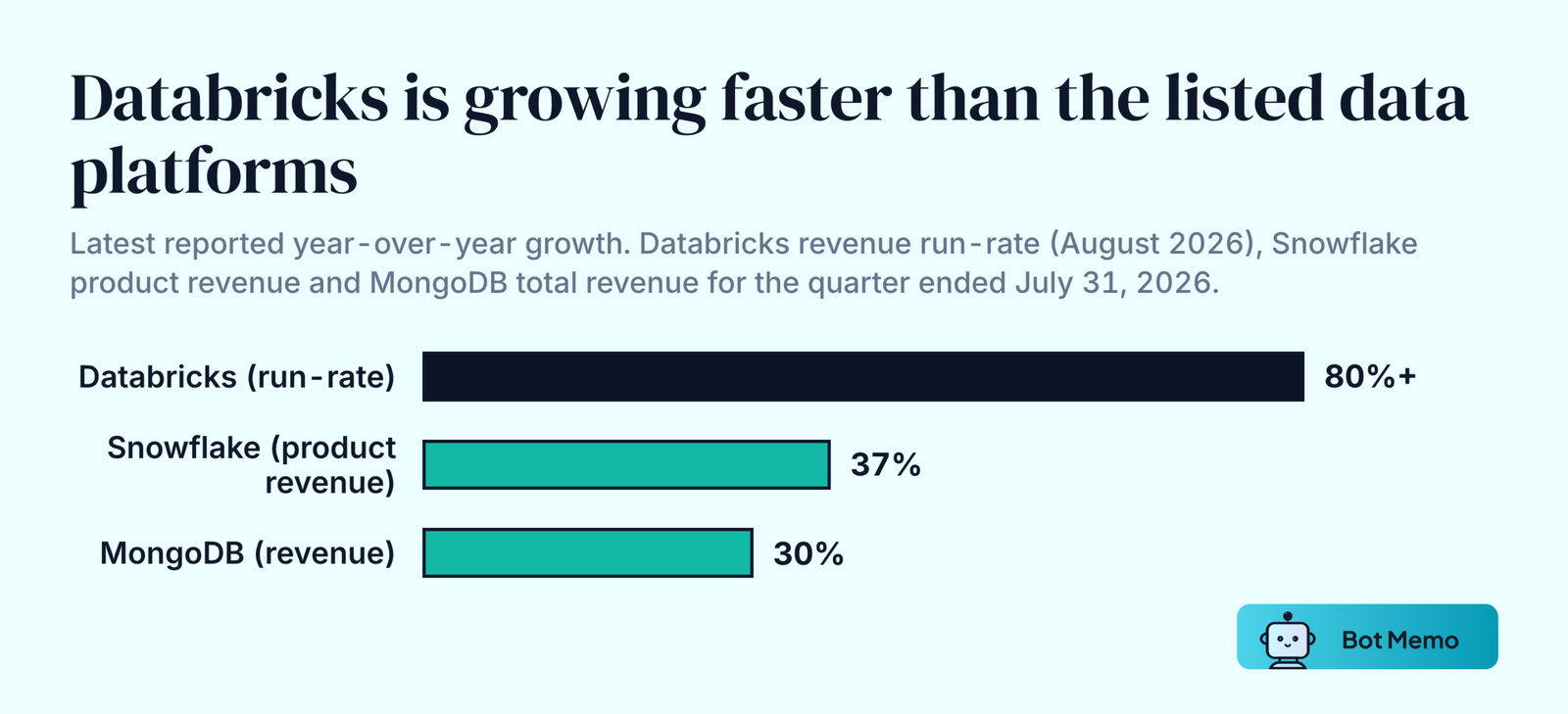
21. Databricks passed a $7 billion revenue run-rate in August 2026, growing more than 80% year over year, and closed $5 billion of funding at a $190 billion valuation led by Coatue. Its Lakebase database passed a $100 million run-rate. (Databricks, August 2026)
22. Eight months earlier, Databricks had reported a $4.8 billion run-rate and growth of more than 55%, and said it was raising more than $4 billion in a Series L at a $134 billion valuation, with its data warehousing and AI products each above a $1 billion run-rate. (Databricks, December 2025)
23. Snowflake’s product revenue was $1.49 billion in the quarter ended July 31, 2026, up 37% year over year. Its net revenue retention rate was 126%, and 828 customers spent more than $1 million over the trailing 12 months, up 27%. (Snowflake, September 2026)
Databases, Pipelines And Streaming
24. MongoDB’s revenue was $771.8 million in the quarter ended July 31, 2026, up 30% year over year, with its Atlas cloud database up about 29%. (MongoDB, September 2026)
25. IBM completed its acquisition of Confluent, the data streaming company built on Apache Kafka, on March 17, 2026, paying $31 a share in cash for an enterprise value of about $11 billion. (IBM, March 2026)
26. Fivetran agreed to acquire Census in May 2025, then completed its merger with dbt Labs on June 1, 2026. The combined company serves more than 100,000 data teams. (Fivetran, May 2025; Fivetran, June 2026)
27. Vector database company Pinecone raised a $100 million Series B at a $750 million valuation, led by Andreessen Horowitz. (Pinecone, April 2023)
Big Data Adoption And Investment Statistics
Data And AI As A Business Priority
28. 99.1% of companies surveyed said investment in data and AI is a top organizational priority, and 90.9% said they are increasing that investment. In the 2024 edition, 87.9% called data and analytics a top priority, and only 37.0% said their efforts to improve data quality had succeeded. (Data & AI Leadership Exchange, 2026 survey, December 2025; Wavestone, 2024 survey, 2024)
29. In the 2022 edition of the same survey, 97.0% of organizations were investing in data initiatives and 91.7% said their investment in data and AI was increasing. (NewVantage Partners, January 2022)
30. 29% of businesses said they had seen a profitability or performance gain of at least 11% from investments in data and analytics, and 26% from AI and automation. (KPMG Global Tech Report, September 2023)
AI Adoption And Business Results
31. 88% of organizations regularly used AI in at least one business function in 2025, up from 78% a year earlier, but only 39% reported any enterprise-level earnings (EBIT) impact from AI. (McKinsey, The State of AI in 2025, November 2025)
32. In McKinsey’s 2026 survey of 1,719 respondents in 97 countries, 37% could attribute any earnings impact to AI, roughly the same share as a year earlier, while 80% of respondents said AI had improved their own productivity. (McKinsey, The State of AI in 2026, August 2026)
33. Only 48% of digital initiatives meet or exceed their business outcome targets, according to Gartner’s survey of more than 3,100 CIOs and technology executives. (Gartner, October 2024)
34. Gartner predicts that 33% of enterprise software applications will include agentic AI by 2028, up from less than 1% in 2024. (Gartner, October 2024)
Integration And Cloud Use
35. 95% of 1,050 enterprise IT leaders said they struggle to integrate data across systems, and only 29% of applications are connected within the average organization. (Salesforce MuleSoft Connectivity Benchmark, 2025)
36. Data warehouse was the most-used platform-as-a-service (PaaS) offering among enterprises, at 76%, up from 67% a year earlier. 79% of organizations were using or experimenting with AI and machine learning platform services. (Flexera 2025 State of the Cloud Report, 2025)
Big Data By Industry
Healthcare And Retail
37. McKinsey estimated in 2011 that US health care could create more than $300 billion in value a year by using big data well, and that a retailer using big data to its full potential could raise its operating margin by more than 60%. (McKinsey Global Institute, May 2011)
38. Healthcare is expected to be the fastest-growing industry for big data analytics through 2034. (Fortune Business Insights, September 2026)
For background on how healthcare data is managed and analyzed, see the 2019 review Big Data in Healthcare: Management, Analysis and Future Prospects in the Journal of Big Data.
Manufacturing
39. 57% of manufacturers use data analytics at the facility or network level, and 40% named data analytics as a priority for technology investment over the next 24 months, ahead of cloud computing and AI at 29% each. 78% put more than 20% of their improvement budget into smart manufacturing. The survey covered 600 executives at large manufacturers with US operations. (Deloitte 2025 Smart Manufacturing Survey, 2025)
40. In a 2019 survey, 72% of manufacturing executives said they considered advanced analytics important, but only 17% said they had captured satisfactory value from it. (BCG and World Economic Forum, 2019)
Data Scientist And Big Data Jobs Statistics
US Employment And Pay
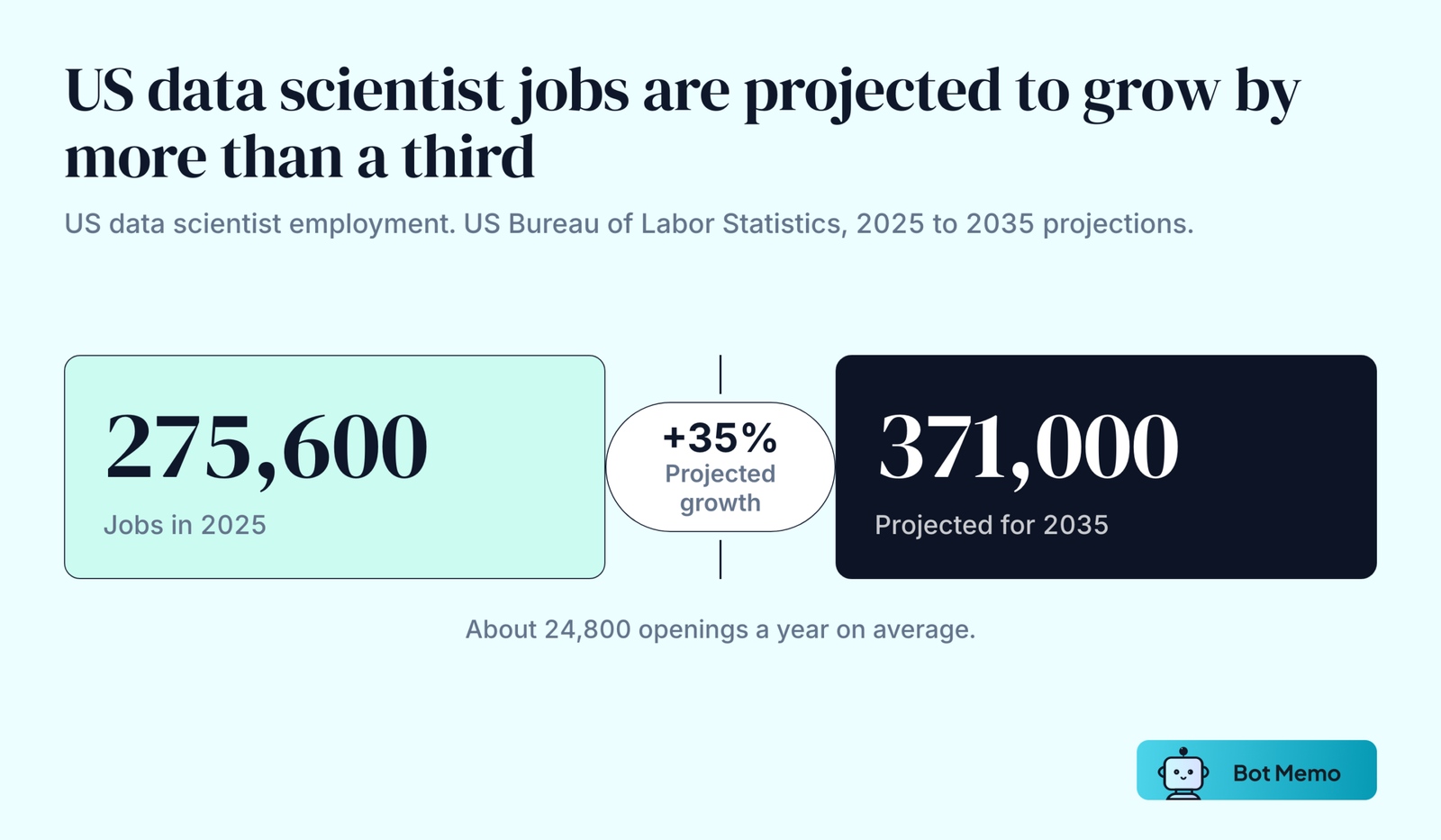
41. There were 275,600 data scientist jobs in the US in 2025, with a median annual pay of $120,230. Employment is projected to grow 35% to 371,000 by 2035, with about 24,800 openings a year. The previous edition counted 245,900 jobs in 2024, a median pay of $112,590 and projected growth of 34% to 2034. (US Bureau of Labor Statistics, 2026)
Global Demand And Time Spent On Data
42. Big data specialists are the fastest-growing job in the World Economic Forum’s 2025 survey of more than 1,000 employers. AI and information processing technology is expected to create 11 million jobs and displace 9 million by 2030. (World Economic Forum, Future of Jobs Report 2025, January 2025)
43. Data preparation and data cleaning were the two most time-consuming tasks named by data practitioners, ahead of visualization, model training and model selection. (Anaconda State of Data Science 2023, 2023)
Data Security And Privacy Statistics
Cost Of A Data Breach
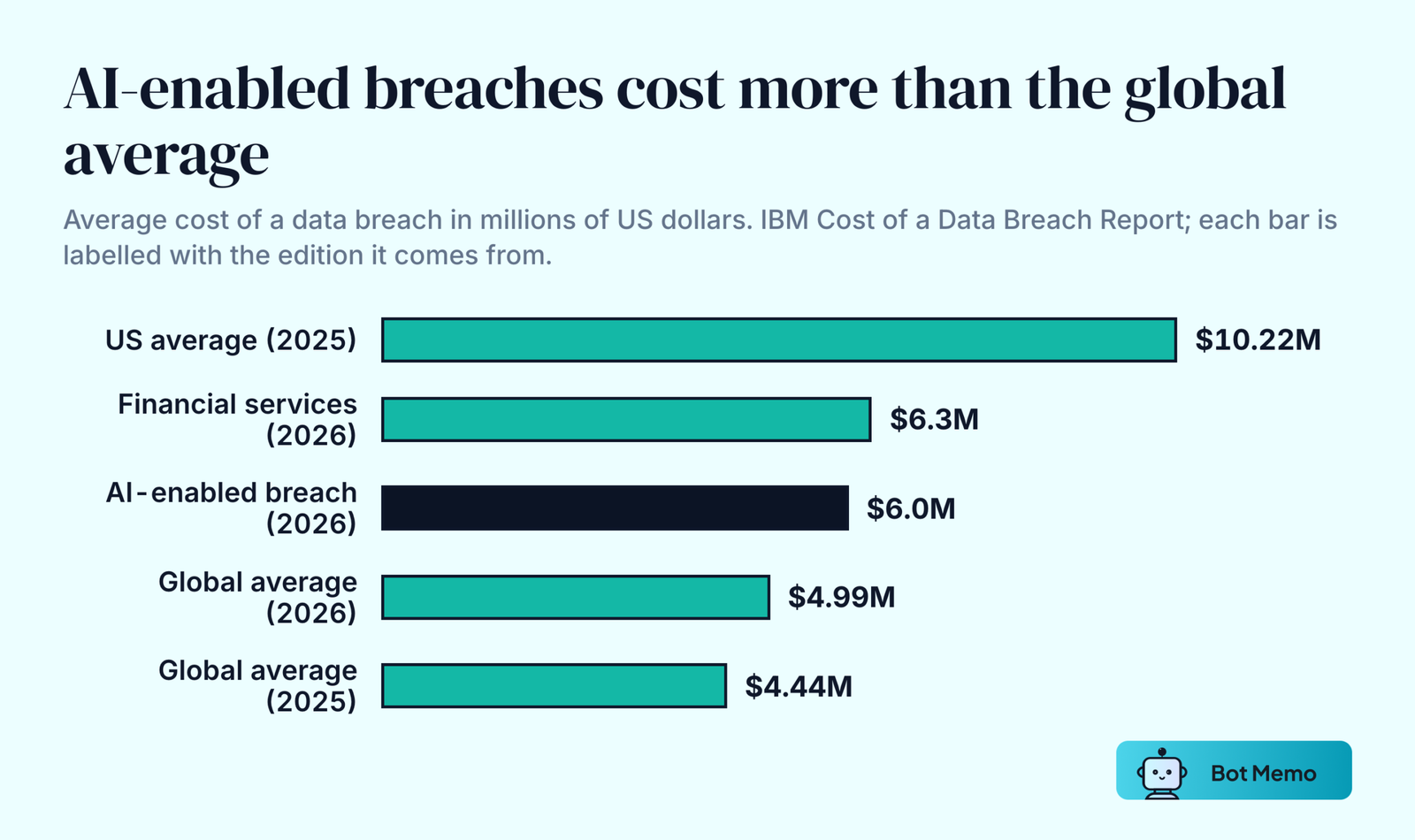
44. The global average cost of a data breach reached a record $4.99 million in 2026, up 12%. One in four malicious breaches was AI-enabled, up 56%, and those breaches cost $6 million on average. Financial services breaches cost $6.3 million and energy breaches $5.2 million. The study covered 602 organizations. (IBM Cost of a Data Breach Report 2026, July 2026)
45. A year earlier, the global average had fallen to $4.44 million, the first decline in five years, while the US average reached a record $10.22 million. The average breach took 241 days to identify and contain, and heavy use of unapproved “shadow AI” added $670,000 to breach costs. (IBM, July 2025)
46. Organizations that use AI and automation in security operations cut breach costs by almost $2 million on average. (IBM, July 2026)
How Businesses See Privacy Rules
47. 78.1% of businesses said privacy requirements had no negative impact on them, and 91.1% said they would prioritize data privacy if it increased customer trust and loyalty. The survey covered 1,037 Termly users. (Termly, survey conducted January to February 2024, updated February 2026)
Key Takeaways
- Gartner expects worldwide IT spending of $6.37 trillion in 2026, with data center systems up 62.5% to $822 billion.
- The big data analytics market is projected to reach $447.68 billion in 2026 and to pass $1.1 trillion by 2034.
- Databricks passed a $7 billion run-rate in August 2026 at a $190 billion valuation, growing more than 80% year over year.
- 88% of organizations used AI in 2025 but only 39% reported any earnings impact, and that share was 37% in 2026.
- The global average data breach cost a record $4.99 million in 2026, and AI-enabled breaches cost $6 million.
- US data scientist jobs are projected to grow 35% to 371,000 by 2035.
Frequently Asked Questions
How Big Is The Big Data Market In 2026?
Fortune Business Insights valued the big data analytics market at $394.70 billion in 2025 and projects it to reach $447.68 billion in 2026 and $1,176.57 billion by 2034. Other research firms use different definitions and publish different totals.
How Much Are Companies Spending On Data Infrastructure?
Gartner forecasts $822 billion of spending on data center systems in 2026, up 62.5% from 2025, within total IT spending of $6.37 trillion.
How Much Data Is Created Each Year?
Statista expects the volume of data created, captured, copied and consumed worldwide to triple between 2025 and 2029. Cybersecurity Ventures projected that total stored data would exceed 200 zettabytes by 2025.
What Share Of Data Is Unstructured?
About 80%, according to analyst forecasts cited by nRoad, which put the global datasphere at 163 zettabytes in 2025.
How Many Data Scientists Work In The US?
275,600 in 2025, according to the US Bureau of Labor Statistics, with a median pay of $120,230. The BLS projects 371,000 jobs by 2035.
What Is The Average Cost Of A Data Breach?
$4.99 million in IBM’s 2026 report, a record and up 12% from $4.44 million in 2025. In the US, the 2025 average was $10.22 million.
Figures Corrected Or Removed From Earlier Versions
- Fortune Business Insights “$962 billion by 2032 at 13.5%”, “BFSI 22.8%” and “retail fastest-growing”: the current edition gives $1,176.57 billion by 2034 at 12.80%, BFSI 22.31% and healthcare as the fastest-growing segment. Shown as then and now.
- “North America leads the big data analytics in healthcare market”: the cited report states North America’s lead for the whole market (36.40%), not for healthcare. Reworded.
- Mordor Intelligence hybrid cloud “$130 billion, 22.1% growth”: the current edition gives $168.86 billion in 2025 and 12.37% growth. Shown as then and now.
- Straits Research “29.25%” is Asia-Pacific’s growth rate, not the global rate (21.82%). Clarified.
- Roots Analysis growth rate updated from 19.06% (2023 to 2035) to 19.37% (2026 to 2035); the $540 billion forecast is unchanged.
- Statista “87.9%” and “37%”: confirmed in the underlying 2024 Wavestone survey, now cited directly and shown next to the 2026 figures.
- “The average person produces 102 MB of data”: not in Domo’s 2023 release; it traces to a 2018 per-second estimate multiplied out. Removed.
- “41.6 million WhatsApp messages a minute” and “4 million Facebook posts a minute”: not in the cited 2023 Domo edition. Removed.
- “Viewers stream around 43 years of video per minute”: Domo’s figure is more than 40 years. Corrected.
- “Amazon shoppers spend $455,000 per minute”: Domo reports this as Amazon’s sales per minute. Reworded. The comments on Amazon’s market cap and its founder’s wealth were not statistics and were removed.
- “In 2021, Netflix users consumed 140 million hours per day”: this is Netflix’s 2017 figure and was not on the Domo page. Corrected to 2017 and cited to Netflix.
- “66% of consumers feel companies have too much access to their personal data” and “mobile data traffic will exceed 167 exabytes per month”: neither figure is on the cited Statista page. Removed.
- “48% of internet users stopped shopping with a company over privacy concerns” and “63% want more transparency”: cited to a personal Tableau Public dashboard, with no primary survey found. Removed.
- Amazon S3 “about 500 exabytes”: this was the cited paper’s own estimate, not an AWS figure. Replaced with AWS’s March 2026 figures.
- “60% of the communications sector operationalizes big data” (and 60% utilities, 55% consumer goods, 53% retail): not in the BCG and World Economic Forum source. Removed. The 72% figure is reworded to match the source (“considered advanced analytics important”).
- AtScale “lack of big data expertise is the top challenge”: the link pointed to a webinar index, and AtScale’s published surveys do not say this. Removed.
- Anaconda “data scientists spend 39% of their time transforming data”: the 2023 report ranks tasks by time spent but gives no 39% figure. Replaced with the ranking.
- Cybersecurity Ventures: reworded from “will store” to “projected to exceed” 200 zettabytes, as in the source.
- “AI and IoT are converging” and “AIoT will rely on big data” had no statistic behind them and were removed.
- “Companies prioritizing data privacy does increase consumer trust”: Termly measured businesses’ willingness to prioritize privacy if it raised trust, not the effect itself. Removed; the Termly figures are kept.
- “Mobile data traffic growth is caused in part by IoT”: not on the cited Statista page. Removed with the 167 exabyte figure.
- The definition of edge computing and the note that North American healthcare organizations invest heavily in machine learning, IoT and AI were background rather than statistics; the second is not in the cited Fortune Business Insights report. Removed.
- The Journal of Big Data review is kept as further reading. The earlier summary of its contents (improved patient prognosis from health record analysis; data from genomics, sensors and apps) was paraphrase rather than a statistic and was removed.
Sources And Methodology
Market-size estimates come from different research firms with different definitions, so their totals should not be added together, and gaps between them partly reflect scope. Forecasts are the publisher’s projections, not measured results. Run-rate revenue is annualized from a recent period and is not the same as reported annual revenue. Figures are as published by each source as of September 2026.

About the author
Editorial Staff
The Editorial Staff at Bot Memo is a team of writers, analysts, and AI agents dedicated to mapping the global AI startup ecosystem. Led by Chintan Zalani, the team tracks thousands of funding rounds, classifies companies across verticals, and distills it all into actionable intelligence for investors and founders.