

This article compiles the 5 best industries to start a business in 2024. We have also included the latest trends around these sectors with real-world examples for you to help in your entrepreneurial journey.
Let’s deep dive!
On this page
What Do People Need in 2024?
As we move into the second half of 2024, it’s clear that people’s needs are evolving. There is a greater emphasis on mental wellness, self-care, and digital literacy. There is a notable rise in environmental sustainability, quality education, and strong social connections.
The Capgemini report on consumer behavior for 2024 highlights these top 5 insights:
1. Demand for Leadership and Change: 78% of people worldwide believe that individuals, brands, and organizations should take the lead in driving change.
2. Concern for Personal Data Security: 52% of consumers are extremely concerned about their personal data security, a slight decrease from 61% last year.
3. Shift to Affordable Brands: 63% of consumers are opting for private-label or low-cost brands over named brands this year, compared to 65% last year.
4. Sustainability Preferences: 71% of consumers have purchased products from organizations perceived as sustainable, with Gen Z showing the highest engagement at 73%.
5. Impact of Generative AI in Shopping: 46% of Gen Z consumers have already purchased products on a social media platform, reflecting the growing influence of digital and social media platforms on consumer behavior.
1. Artificial Intelligence
Here are some AI stats you need to know:
1. The global artificial intelligence market is expected to grow at a CAGR of 36.6% from 2024 to 2030.
2. AI software revenues are projected to reach nearly $100 billion globally by 2025.
3. The wearable AI market is expected to reach $180 billion by 2025.
Here are some AI trends you need to keep an eye on:
Multimodal AI
The global multimodal AI market is expected to grow from $1.2 billion to $4.5 billion by 2028, with a CAGR of 35% during this period.
By integrating multiple forms of data—such as text, audio, and visual inputs—multimodal AI can deliver more accurate and contextually aware solutions.
Example:

Inworld AI offers a character engine that enables developers to create AI-driven non-playable characters (NPCs). It utilizes multimodal AI and simulates human conversations, voices, movements, and emotions to deliver high-quality, immersive interactions with characters in virtual worlds.
AI in Cybersecurity
AI-driven cybersecurity systems can analyze vast amounts of data, identify patterns, and adapt to new threats in real-time, providing robust protection against cyber attacks.
The global artificial intelligence (AI) in cybersecurity market was valued at $17.4 billion in 2022 and is projected to reach $102.78 billion by 2032.
Example:

AUTHBASE develops AI-based cyber defense solutions, identifying and mitigating attacks across networks. Their platform, SHIELD, continuously learns, adapts, predicts, and responds to threats, ensuring effective protection. The automatic response feature saves time in mitigating threats while maintaining business continuity.
Quantum AI
Combining the power of quantum computing with artificial intelligence can potentially solve complex problems that are currently beyond the reach of classical computers.
The global quantum AI market size was valued at $239.4 million in 2023 and is projected to grow at a CAGR of 32.40% from 2023 to 2033.
Example:
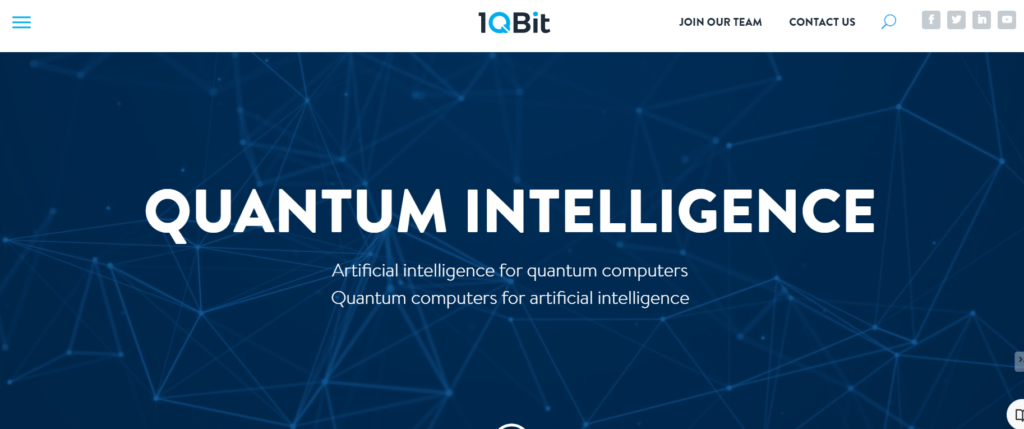
1QBit combines artificial intelligence with quantum computing to tackle complex problems. By developing new computational hardware alongside innovative software, they aim to redefine intractable challenges and discover novel solutions. Their approach leverages next-generation tools to revisit old problems.
Digital Human
Digital humans can simulate human-like conversations, emotions, and gestures, offering personalized interactions and creating memorable brand experiences across various industries.
The digital human market exceeded $11.3 billion in 2021 and is projected to reach $125 billion by 2035.
Example:
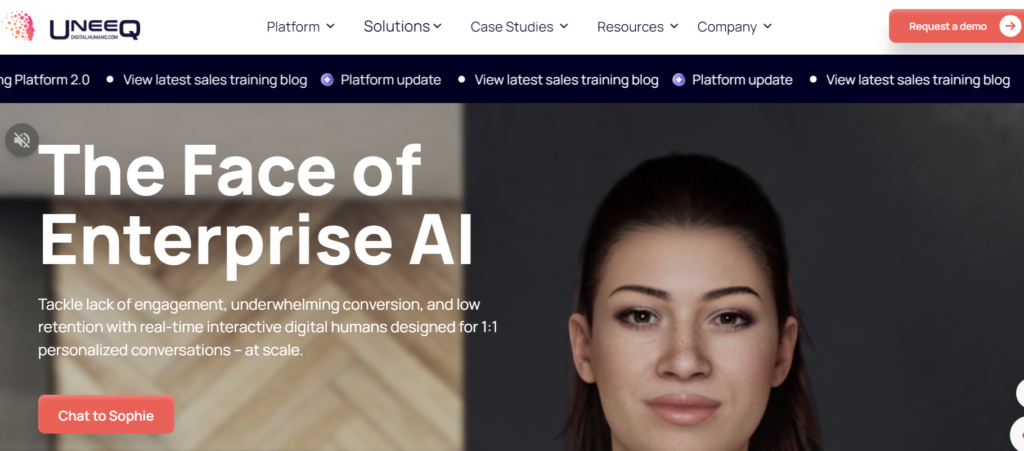
UneeQ offers advanced digital human solutions that improve customer engagement through real-time, personalized interactions. Their platform, capable of supporting nearly 100 languages, provides exceptional realism, flexibility, and compliance for various industries, including retail, healthcare, and telecommunications.
2. Green Energy
Here are some ‘Green Energy’ stats you need to know:
1. The global renewable energy market size is expected to reach $1,554.65 billion by 2028, growing at a rate of 8.8%.
2. In 2023, global clean energy deployment reached new heights, with annual additions of solar PV and wind energy increasing by 85% and 60%, respectively.
3. Electricity generation in the renewable energy market is projected to reach 8,386.00 billion kWh in 2024, with an expected annual growth rate (CAGR) of 4.22% from 2024 to 2029.
Here are some green Energy trends you can watch out for:
Renewable Energy
Renewable energy comes from naturally replenished sources such as sunlight, wind, water, geothermal heat, and biomass.
The shift to renewable energy is driven by environmental benefits, sustainability, economic advantages, and enhanced energy security, making it a key component of the global transition to a cleaner and more sustainable energy future.
The renewable energy market is projected to be 4.23 TW in 2024 and is expected to grow to 5.98 TW by 2029, with a CAGR of 7.09% during the forecast period (2024-2029).
Example:

Moxion Power offers reliable and flexible power solutions for remote locations such as construction sites, mining operations, and disaster relief areas. Their systems also help integrate renewable energy into the grid, reducing carbon emissions and grid congestion.
In 2023, Moxion Power raised $25 million in Series A funding led by Breakthrough Energy Ventures.
Internet of Energy
Electric power systems have used a centralized architecture, posing unusual challenges. The Internet of Energy (IoE) manages these problems with distributed control, improving energy transactions. This shift towards a smart grid improves coordination across the broader energy ecosystem.
Example:

GridBeyond uses AI technology to transform energy into opportunities. They manage distributed energy resources with a leading technology platform, supporting various sectors such as renewables, battery storage, and industrial loads.
GridBeyond bridges the gap between energy resources and markets, helping clients enhance savings, revenues, and sustainability while supporting the transition to a ‘Net Zero’ future.
Energy Storage
Effective energy storage stabilizes pricing by managing consumer demand, allowing consumers to accumulate energy during optimal conditions.
The energy storage systems market was valued at $486.2 billion in 2023 and is projected to grow at a CAGR of 15.2% from 2024 to 2032.
Example:
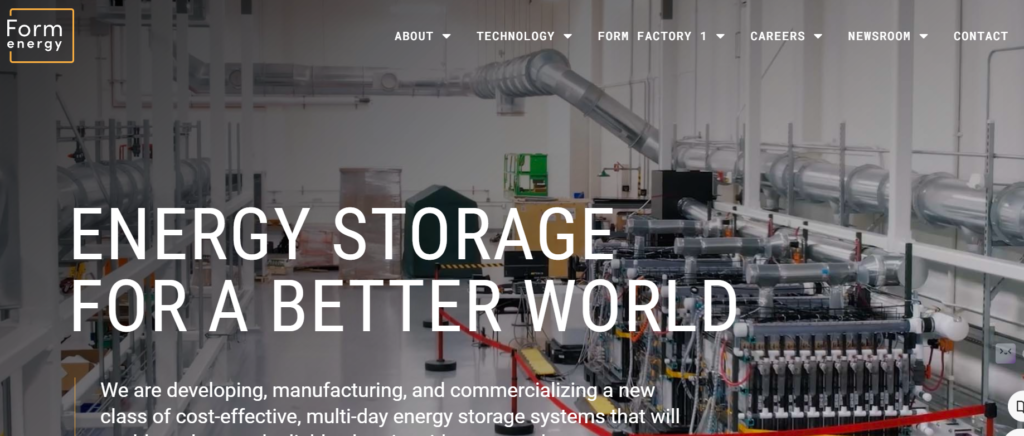
Form Energy develops cost-effective energy storage systems to ensure a clean and reliable electric grid year-round. Their iron-air battery stores electricity for 100 hours at competitive costs. Its multi-day battery aims to help the global electricity system with reliable, low-cost clean energy.
Energy as a Service
“Energy as a Service” (EaaS) offers customized, scalable energy solutions by outsourcing energy-related functions to specialized providers. This modern approach benefits consumers, businesses, and industries by providing flexibility and management of energy consumption.
Energy as a Service market is projected to grow from $94.16 billion in 2024 to $169.52 billion by 2029, with a CAGR of 12.48% during the forecast period.
Example:

Found Energy is an EaaS platform that decarbonizes heavy industry by using aluminum-thermal power systems to extract clean energy, offering double the energy density of diesel at a competitive cost.
Their compact, modular, and carbon-free technology provides on-demand industrial heat, clean hydrogen production, and ultra-fine alumina trihydrate from low-grade aluminum. Aluminum’s high energy density, infinite shelf life, and abundant availability make it a practical and sustainable energy source for the future.
Blockchain
Blockchain technology is transforming the energy sector by managing the way energy is traded, managed, and consumed. It brings improved transparency and security to energy transactions and grid operations.
The global blockchain technology in the energy market was valued at $497.9 million in 2021 and is projected to reach $10,535.14 million by 2031, growing at a CAGR of 35.7% during the forecast period.
Example:

Drone Energy optimizes energy-producing assets with ultra-high-density smart grid technology, improving utilization, processing power, and profitability for partners.
Their Baseload-as-a-Service provides scalable, modular compute solutions for sustainable blockchain energy management. It offers cloud worker monitoring and helps organizations maximize profits and achieve sustainable competitive advantages.
3. Healthcare Technology
Here are some healthcare technology stats you need to know:
1. The global healthcare technology market is projected to reach $1,029.07 billion by 2028, growing at a rate of 18.7%.
2. The global Internet of Things (IoT) in the healthcare market is anticipated to reach $169.99 billion by 2030, with a projected CAGR of 21.2% from 2023 to 2030.
3. The North American healthcare IT market in terms of revenue was valued at $193.2 billion in 2022 and is projected to reach $496.7 billion by 2027.
Interested in some healthcare technology trends? Here are a few:
Wearable devices
The wearable medical devices market is expected to grow from $73.77 billion in 2023 to $428.92 billion by 2030, with a CAGR of 28.6% during the forecast period. North America led the global market, holding a 33.69% share in 2022.
These devices, equipped with sensors, enable continuous monitoring of critical signs and activity levels. Real-time virtual collaboration will transform how health professionals communicate, especially in remote areas, through video conferencing, teleconferencing, and secure messaging.
Example:
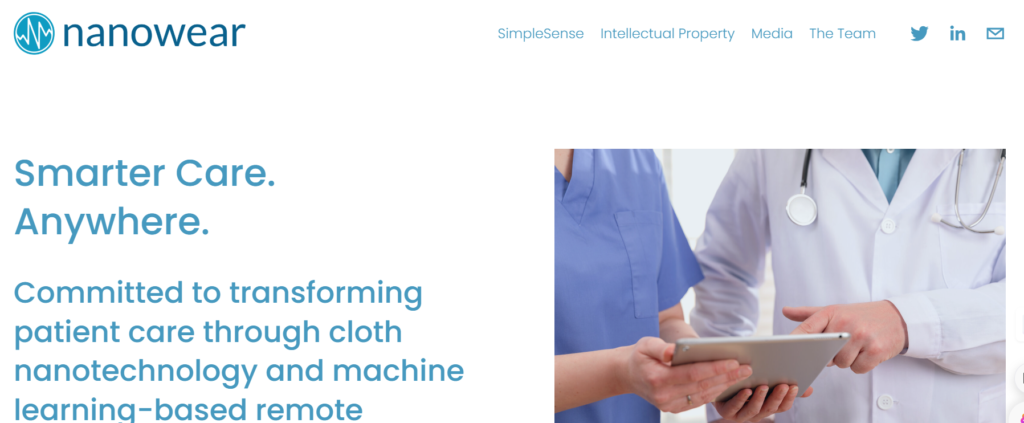
Nanowear is transforming patient care with cloth nanotechnology and machine learning-based remote diagnostics. Their AI platform collects high-fidelity cardiopulmonary data at home, enhancing physician decision-making and patient outcomes.
Nanowear’s nanosensors capture over 85 medical-grade biomarkers, empowering value-based care and home-based cardiac rehab.
Virtual Reality in Healthcare
In 2024, the global VR in the healthcare market was valued at just over $ 4 billion. By 2029, it is projected to grow to over $13 billion with a forecasted CAGR of 27.3%.
Example:

Surgical Theater improves surgical precision and patient care with eXperiential Reality (XR) technology, allowing surgeons to plan, rehearse, and perform procedures with advanced visualization.
Their XR platform, SyncAR, provides immersive experiences for surgical planning, patient engagement, and operating room visualization, optimizing outcomes and patient understanding.
3D Bioprinting
In 2024, the global 3D bioprinting market was worth around $2.2 billion. Bioprinting is a similar concept to 3D printing but uses biomaterials typically containing living cells. By 2034, the market was forecast to reach $6.82 billion.
Example:
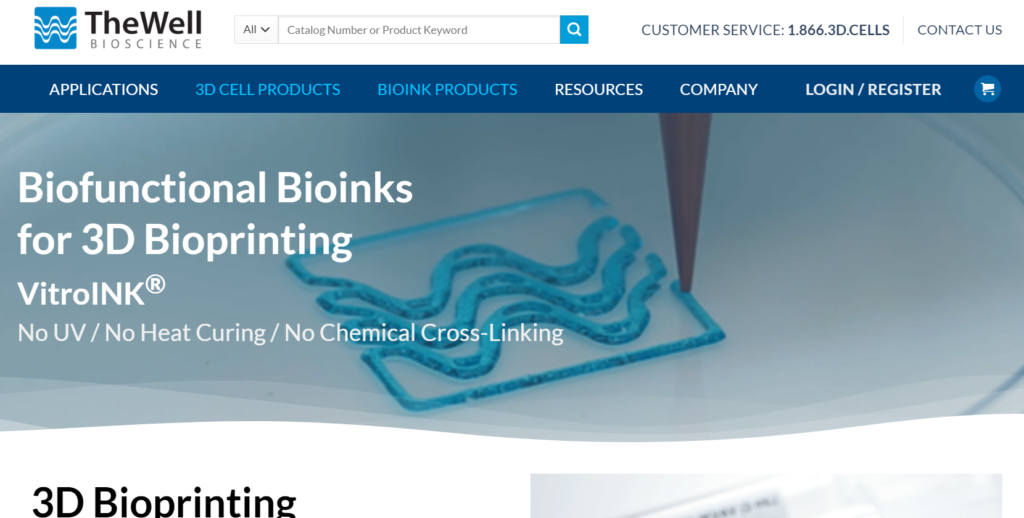
TheWell Bioscience offers a xeno-free biofunctional bioink system for 3D bioprinting. VitroINK supports near 100% cell viability without the need for UV, heat curing, or chemical cross-linking, and is stable at room temperature for easy handling. It supports a variety of cell-matrix interactions and applications, making it a versatile tool in the field of 3D bioprinting.
Nanomedicine
Nanomedicine shows potential for early disease detection, prevention, and enhanced diagnostics and treatments for various illnesses, including cancer.
The global nanomedicine market is projected to exceed $562.95 billion by 2033, with an anticipated CAGR of 11.5% from 2024 to 2033.
Example:
Nanobiotix is a late-stage clinical biotechnology company focused on developing physics-based nanotherapeutics for cancer treatment. Their lead candidate, NBTXR3, is a radio enhancer designed to target solid tumors, improving radiotherapy while sparing healthy tissues.
4. Ecommerce
Here are some Ecommerce stats you need to know:
1. The Ecommerce market is projected to generate $4,117 billion in revenue in 2024.
2. It is expected to grow at a CAGR of 9.49% from 2024 to 2029, reaching a market volume of $6,478 billion by 2029.
3. As of June 2023, Amazon is the largest consumer internet and online services company globally, with a market cap of approximately $1.34 trillion.
Here are some Ecommerce advancements you should be aware of:
Augmented Reality Shopping
The augmented reality (AR) shopping market is projected to be valued at $4.9 billion in 2024. It is expected to grow at a CAGR of 28% from 2024 to 2034, reaching an estimated $58 billion by 2034.
Example:

Fittingbox provides the most accurate augmented reality virtual try-on technology for glasses, enhancing the shopping experience. Their platform offers ultra-realistic 3D renderings and precise positioning, with a vast database of over 195,000 digital frames and support from major Ecommerce platforms.
Customized Loyalty Programs
65% of a company’s revenue comes from repeat business, and 77% of consumers remain loyal to a brand for over ten years.
Example:

Smile offers a scalable loyalty platform that helps businesses increase sales through customer loyalty programs. It has tools like points, VIP perks, and referrals to attract and retain customers, driving growth and success. Smile provides customizable features and detailed reports to optimize loyalty strategies and boost repeat sales.
Eco-Friendly Ecommerce
Ecommerce logistics in major urban areas are projected to produce around 25 million metric tons of CO2 by 2030. Ecommerce retailers must balance creating a greener supply chain while meeting consumer demands for fast, low-cost delivery.
Example:

Bite offers eco-friendly products like Toothpaste Bits, deodorant, and body care items that eliminate plastic and harsh chemicals. Their easy-to-use, travel-friendly Bits provide a cleaner, sustainable alternative to traditional products.
Voice Commerce
The voice commerce market is projected to grow by $55.68 billion from 2021 to 2026, with an accelerating CAGR of 24.34%.
Example:
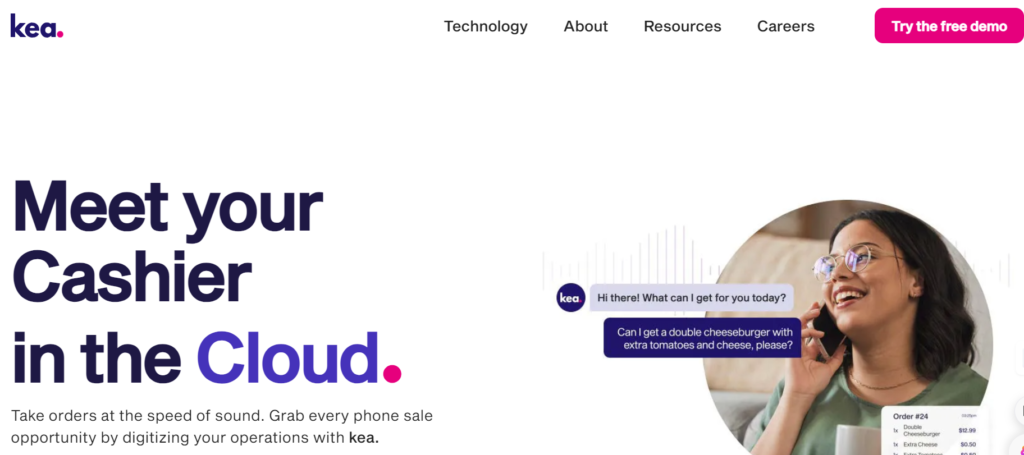
Kea is a voice commerce platform that manages restaurant operations with cloud-based voices. It digitizes phone orders, improves customer service, streamlines operations, and increases revenue. kea offers consistent upselling and a better ordering experience.
5. B2B Software
Here are some B2B Software stats you need to know:
1. The global business software and services market is expected to expand at a compound annual growth rate (CAGR) of 11.9% from 2023 to 2030.
2. At least 50% of the software buyer’s journey is spent referring to independent, third-party information sources.
3. By 2026, 70% of organizations applying observability will achieve shorter latency for decision-making.
Let’s look at some B2B software trends you can leverage:
Data-as-a-Service (DaaS)
DaaS, a cloud-based solution for data management, improves data accuracy and reliability while saving time and reducing costs compared to on-premise software.
The Data as a Service market is expected to grow to $51.60 billion by 2029, with a CAGR of 20% during the forecast period (2024-2029).
Example:
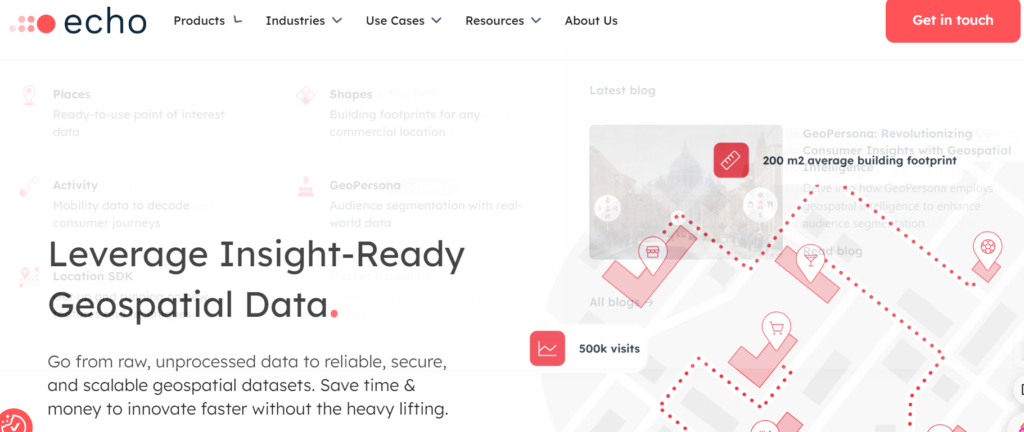
Echo Analytics is a DaaS platform that transforms raw data into reliable, secure, and scalable geospatial datasets. It has over 70 million global locations and 95%+ polygon coverage, their advanced geospatial data provides critical insights for businesses. Echo Analytics offers solutions for retail, AdTech, FMCG, and more, empowering companies to make informed decisions.
No-Code Tool Development
The global low-code platform market is forecasted to reach $65 billion by 2027.
Example:
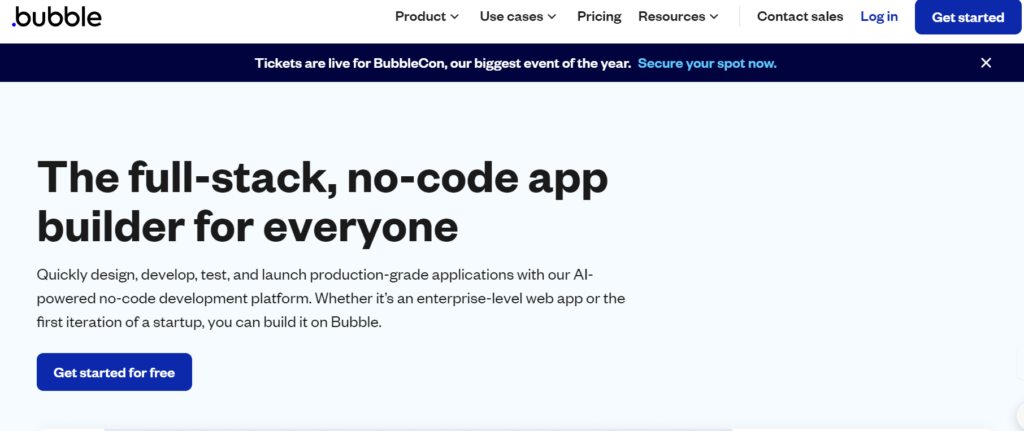
Bubble is an AI-powered, no-code development platform that allows users to quickly design, develop, test, and launch production-grade applications. Bubble simplifies the app creation process with drag-and-drop functionality and customizable templates. It offers a full-stack solution with built-in database management, collaboration tools, and secure hosting.
API Integration
API integration enables better data exchange between different software systems, forming the backbone of our digital world. Utilizing dedicated tools offers greater efficiency, reliability, and manageability.
Example:
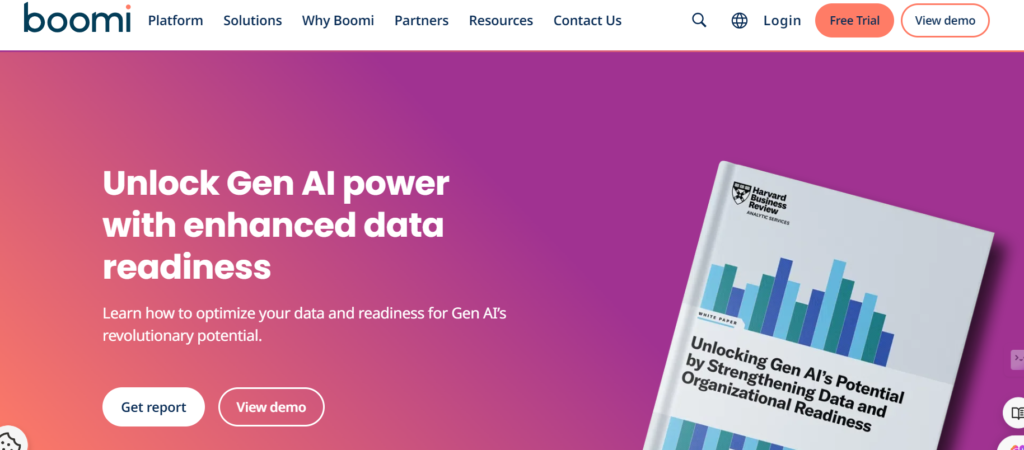
Boomi connects apps and systems across cloud, server, and hybrid environments, catering to both developers and non-developers. It offers robust API management and includes smart analytics in its ‘Master Data Hub’. Additionally, Boomi allows users to share maps and connections as open-source resources.
Platform-as-a-Service
Platform-as-a-Service (PaaS) offers a cloud-based environment for developers to build, deploy, and manage applications without managing underlying infrastructure.
Revenue in the Platform as a Service (PaaS) market is expected to reach $171.80 billion in 2024. The market is projected to grow at a compound annual growth rate (CAGR) of 17.63% from 2024 to 2029, reaching a total market volume of $386.90 billion by 2029.
Example:
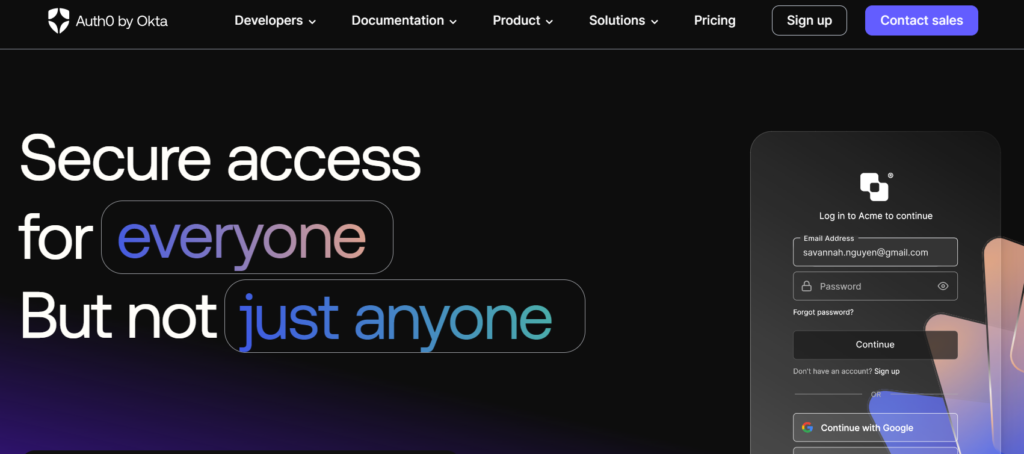
Auth0 is a PaaS platform that offers an enterprise-grade identity and access management solution for both customers and employees. It ensures secure access to applications and includes features like user management, passwordless login, role management, and log retention. The system supports various technologies and integrates easily with 30+ SDKs, improving user experience, privacy, and security.
Parting Tips: What Industry is Going to Boom in 2024?
The mentioned industries are top contenders but there are others that cannot be overlooked including Education Technology, Fintech, Social Media Management, Logistics, and Entertainment. These sectors, whether for small startups or larger enterprises, promise substantial growth and lasting impact.
You can embrace these opportunities to place yourself at the forefront of successful, innovative businesses. Remember, profitability relies on passion, strategic investments, and meticulous overhead management.
To learn more about the best industries to start a business, join Bot Memo today!

About the author
Editorial Staff
The Editorial Staff at Bot Memo is a team of writers, analysts, and AI agents dedicated to mapping the global AI startup ecosystem. Led by Chintan Zalani, the team tracks thousands of funding rounds, classifies companies across verticals, and distills it all into actionable intelligence for investors and founders.