


If you’re passionate about coding, developing next-generation software, and launching a successful startup, this article is tailor-made just for you.
The software market is projected to generate $698.80 billion in revenue in 2024, with Enterprise Software leading at $292 billion.
The market is expected to grow at a 5.27% CAGR from 2024 to 2028, reaching $858.10 billion by 2028, with the United States generating the most revenue at$353.50 billion in 2024.
On this page
- How Do I Get an Idea For Software?
- What Are The Most Profitable Types of Software Niches?
- AI Software Ideas
- B2B Software and Services Startup Ideas
- Productivity Software Ideas
- Ecommerce Software Startup Ideas
- Green Technology and Other Software Ideas
- Parting Tips: How to Take Advantage of the Big Platform Shift to AI?
How Do I Get an Idea For Software?
Software is all about identifying a problem and solving it. You can take a break from technology, observe the world around you, and note the challenges people face. Inspiration often strikes when you step away and immerse yourself in real-life situations.
What Are The Most Profitable Types of Software Niches?
Here are some of the profitable types of software with their market cap:
1. AI Software: Expected to reach $297.9 billion by 2027, with a CAGR of 19.1%.
2. Fintech Software: Projected to grow at an 18.5% CAGR from 2023 to 2032, reaching a market size of $751.5 billion by 2032.
3. Healthcare Software: Projected to reach $77.43 billion by 2032, with a CAGR of 10.5%.
4. Customer Relationship Management (CRM) Software: Forecast to grow to $57 billion by 2025, with a CAGR of 2.1%.
5. Project Management Software: Expected to grow to $14.60 billion by 2031, with a CAGR of 10.8%.
AI Software Ideas
AI software is reshaping the way businesses operate, offering unparalleled operations, predictive capabilities, and automation.
This space presents a lucrative opportunity for you to innovate and address diverse challenges in sectors such as healthcare, finance, and customer service. Here are a few AI software ideas to inspire your entrepreneurial journey.
1. AI Drug Discovery
AI drug discovery can greatly expedite the process of discovering drugs by analyzing vast datasets, predicting drug efficacy, and identifying promising compounds faster. This innovative approach promises high financial returns and has the potential to make a profound impact on global healthcare.
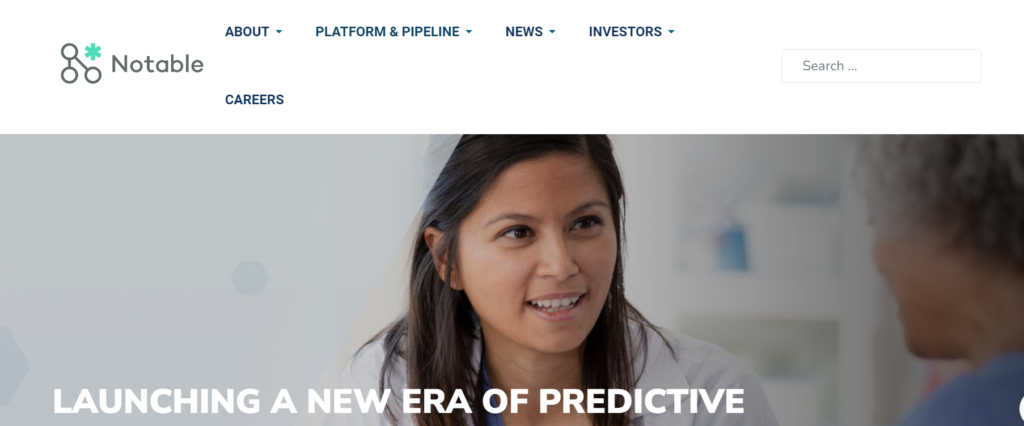
Notable Labs, for instance, is a personalized drug discovery platform to identify treatment options for relapsed and refractory cancer patients.
They aim to find treatments that kill cancer cells while sparing healthy ones and focus on drug combinations. Their highly automated lab is powered by custom software and is currently testing patient samples and collaborating with various pharma and biotech partners.
2. AI Ecommerce Fulfillment Solution
AI Ecommerce fulfillment can streamline operations by optimizing inventory management, predicting demand, automating warehouse tasks, and improving last-mile delivery.
This leads to faster shipping times, reduced costs, and improved customer satisfaction, offering a great opportunity to improve the logistics industry.
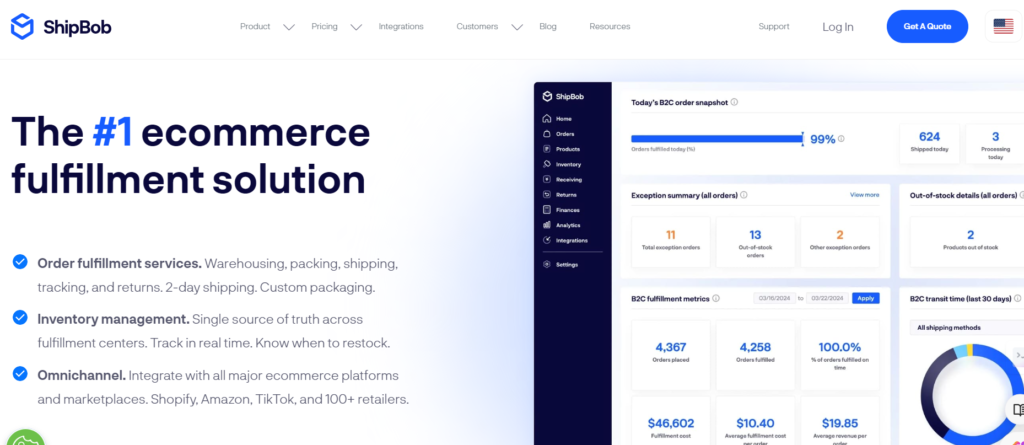
ShipBob, for example, provides Ecommerce fulfillment services, including warehousing, picking, packing, shipping, tracking, and returns across the U.S.
Their platform integrates with major Ecommerce platforms, offers custom packaging, and manages inventory across 50+ global fulfillment centers. They help businesses streamline operations and scale globally.
3. AI Search Engine
AI search engines can understand user intent, context, and preferences to provide more accurate and intuitive search experiences. It can process vast amounts of data in real time and continuously learn and improve, improving user satisfaction and engagement.
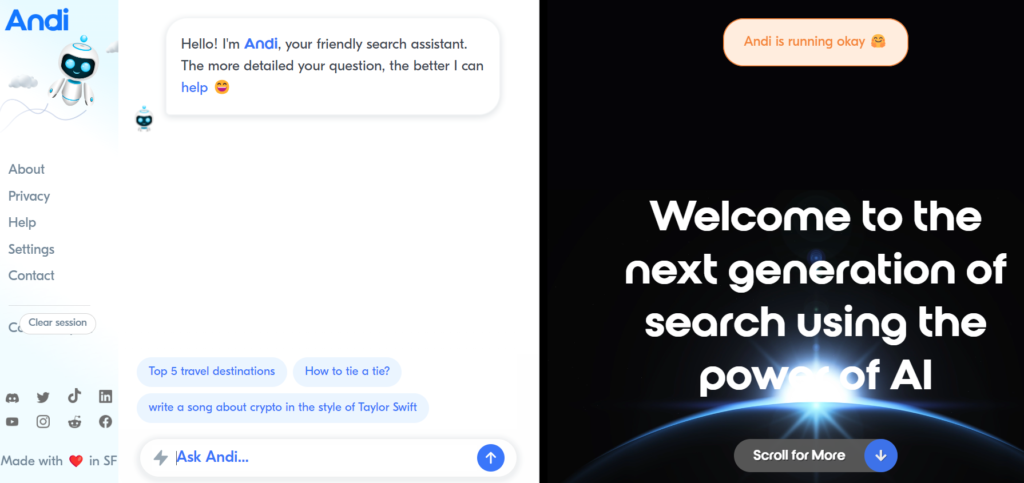
Andi, to illustrate, is a search chatbot utilizing generative AI to deliver accurate answers and summaries from live data and trusted sources.
It offers ad-free, privacy-focused interactions, allowing users to ask questions, find information, and navigate the web. It provides straightforward, visual results through a user-friendly chat interface, prioritizing clarity and knowledge accessibility.
4. AI Software Development
AI software development simplifies operations, improves decision-making processes, and delivers innovative solutions and applications that meet evolving market demands.
Investing in AI software development opens doors to creating cutting-edge products and services that cater to a wide range of industries.
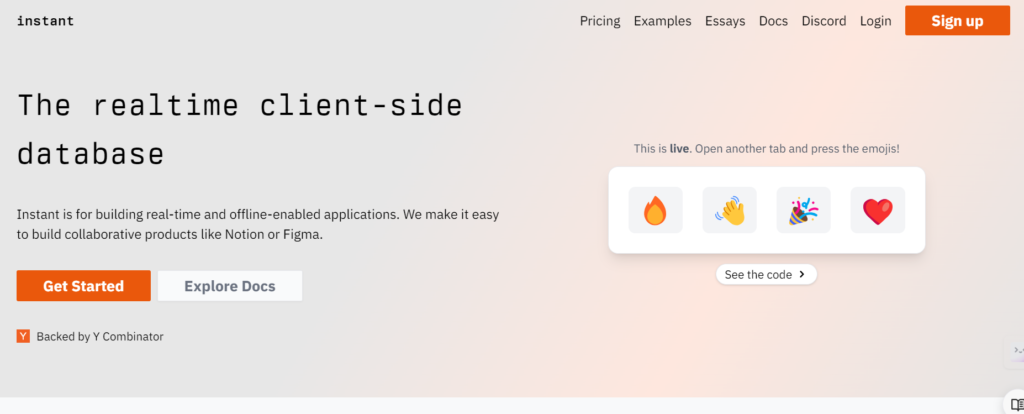
Instant, for instance, builds real-time and offline-enabled applications by integrating generative AI and data handling. It simplifies complex UI challenges into straightforward database operations directly in the browser.
Instant offers quick updates, multiplayer capabilities, and offline functionality with minimal setup. It is developed by experienced engineers and designed to empower developers to create scalable, collaborative applications.
5. AI Ghostwriting
AI ghostwriting can mimic writing styles, adapt tones, and generate original content, making it an invaluable tool for authors, marketers, and businesses seeking to improve their content strategy.
It can produce tailored pieces across various formats, from blog posts to speeches, offering a scalable opportunity by delivering engaging content consistently.
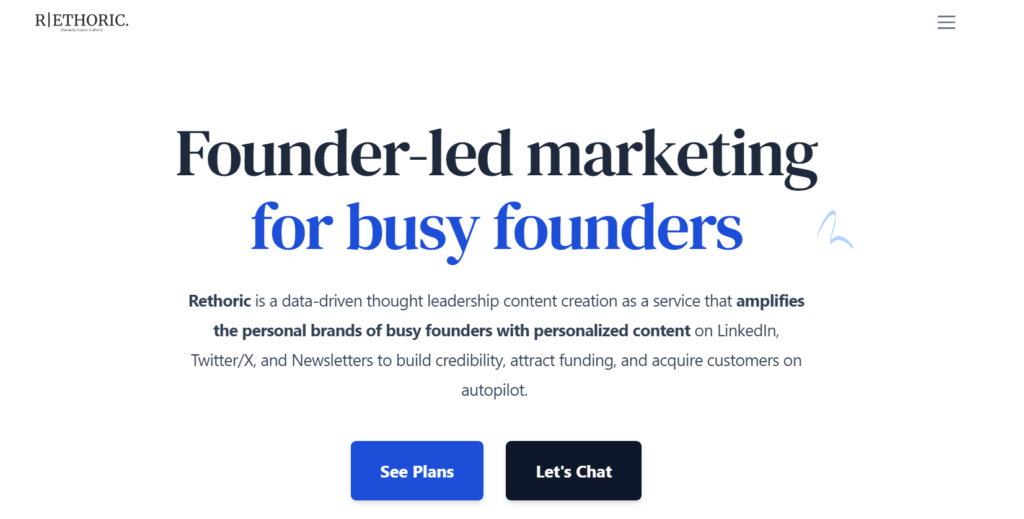
Rethoric, for example, offers ghostwriting services for founders, specializing in crafting personalized thought leadership content to elevate personal brands across LinkedIn, Twitter, and newsletters.
It helps founders save time, attract funding, and acquire customers with tailored packages to drive sales and amplify their voices in their respective niches.
6. AI Healthcare Platform
AI healthcare platforms can improve diagnostic accuracy, personalize treatment plans, and improve patient outcomes. It streamlines healthcare workflows, making it an attractive proposition for innovators aiming to transform the healthcare industry.

Craniometrix, to illustrate, is a dementia care navigation platform designed to support caregivers and healthcare providers.
It aims to delay nursing home enrollment by 12-18 months, improving caregiver quality of life by reducing stress and anxiety. The platform enhances caregiver confidence through robust support and resources, while also increasing provider reimbursement for caregiver support tasks.
7. AI Sales CRM
AI sales CRM (Customer Relationship Management) system automates routine tasks, analyzes customer data for insights, and optimizes sales strategies to personalize interactions, ultimately driving revenue growth.
It helps sales teams focus more on building relationships and less on administrative tasks, leading to better customer engagement.

Relate, for instance, is an AI sales CRM designed specifically for B2B startups. It manages sales pipelines and customer relationships by integrating advanced automation and analytics.
Relate helps startups optimize their sales processes to make informed decisions, and scale their sales efforts.
B2B Software and Services Startup Ideas
B2B software and services startups cater to businesses seeking solutions to streamline operations, improve productivity, and achieve strategic goals. You can build scalable software products to create long-term client relationships by solving critical business challenges and position yourself at the forefront of industry transformation.
8. SaaS Billing Services
SaaS businesses need reliable billing systems to manage subscriptions, automate invoicing, and handle payment processing. With your billing solution companies can simplify their operations, reduce administrative burdens, and improve customer satisfaction.
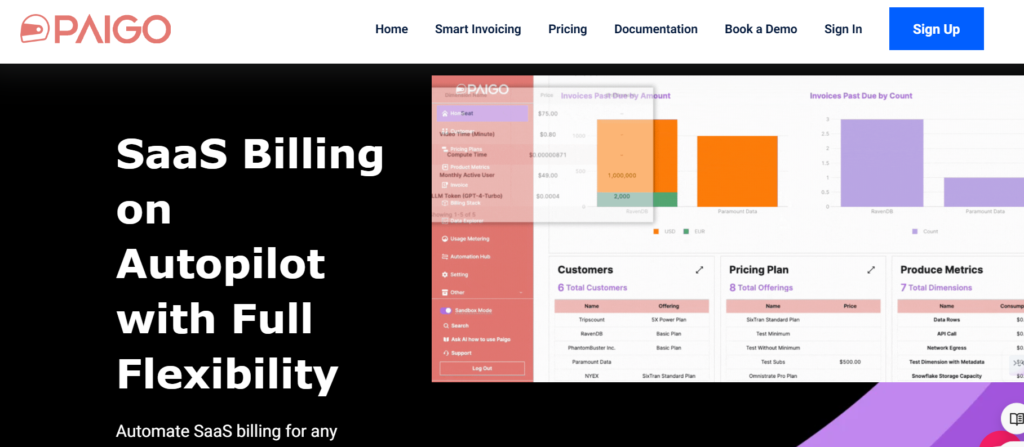
Paigo, for example, offers a customizable SaaS billing platform that automates billing for any pricing model with zero transaction fees.
Its features include scalable usage metering, a no-code billing stack, and analytics, all designed to streamline revenue operations. Paigo ensures integration and flexible pricing strategies to enhance customer purchase decisions.
9. Customer Support Services
Customer support for any business aims to build strong customer relationships and ensure high satisfaction. You can provide effective software solutions to customer inquiries and issues, while businesses can enhance their reputation and retain loyal clients.
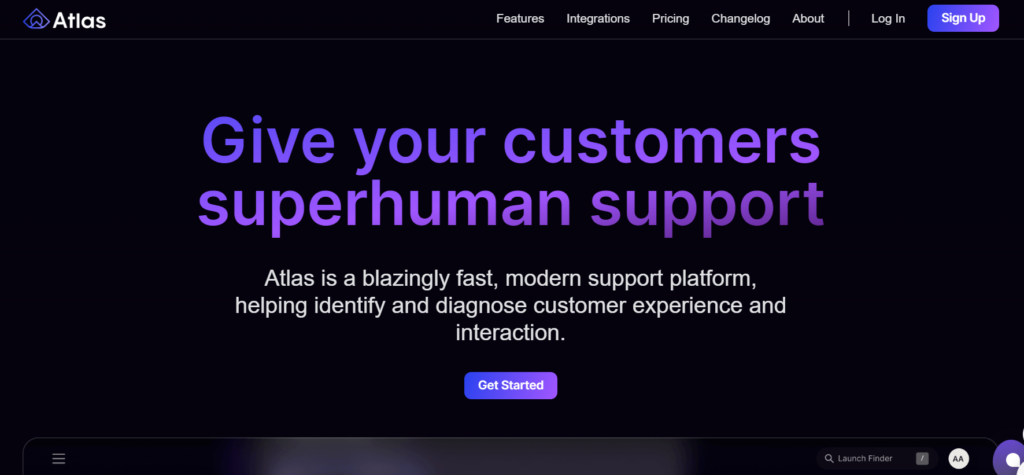
Atlas, to illustrate, is a modern customer support platform that helps identify and diagnose customer experiences.
It offers a suite of integrated support tools, including AI responses, session replay, omnichannel communication, and advanced analytics. Atlas has features like customizable billing, real-time data streaming, and Slack integration.
10. Cloud Observability Platform
As businesses migrate to the cloud, they face challenges in monitoring, managing, and optimizing their infrastructure and applications. A robust observability platform offers real-time insights, helps identify and resolve issues quickly, and provides optimal performance and security.
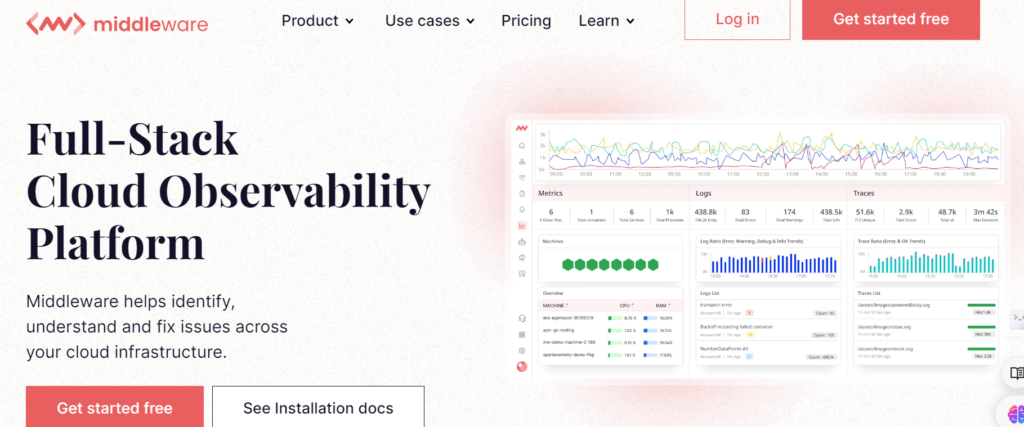
Middleware, for instance, is a cloud observability platform that helps identify, understand, and fix issues across cloud infrastructure.
It offers real-time monitoring, cost optimization, and a unified view of metrics, logs, traces, and events. Middleware integrates easily, and provides AI insights with enterprise-level security, modernizing complex cloud environments.
11. Professional Development and Upskilling Solutions
Investing in professional development and upskilling solutions is more critical than ever. Employees or your emerging talent need to continuously enhance their skills to stay competitive.
You can offer tailored training programs to help organizations bridge skill gaps, boost employee performance, and improve overall productivity.
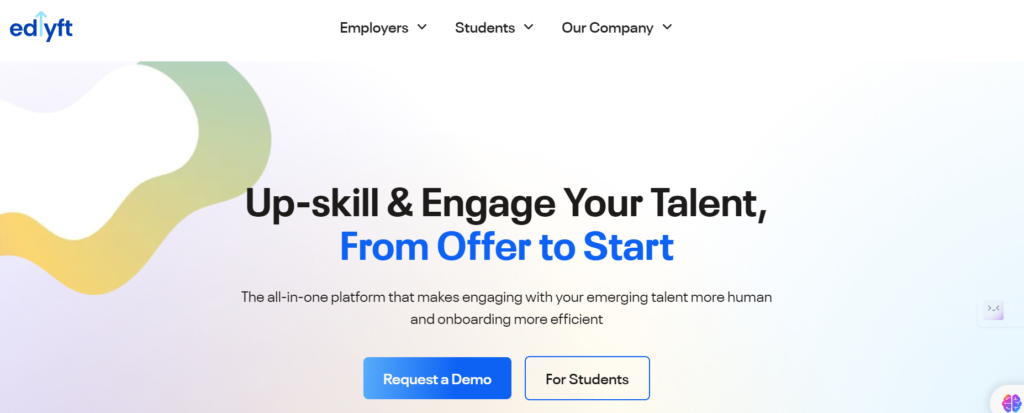
Edlyft, for example, specializes in software training for college CS students, helping them acquire essential job skills required in top firms like Google and Dropbox.
It aims to reduce ramp-up time for new grads and enhance workforce productivity through targeted pre-hire training. The platform streamlines pre-start communications, augments professional development, and creates community through personalized engagement.
12. Restaurant Management Software
Restaurant management software can automate reservations, and manage inventory and staff scheduling.
This software can help businesses make informed decision-making and integrate payment systems for transactions to improve profitability and customer satisfaction, making it a compelling investment for modern restaurateurs.
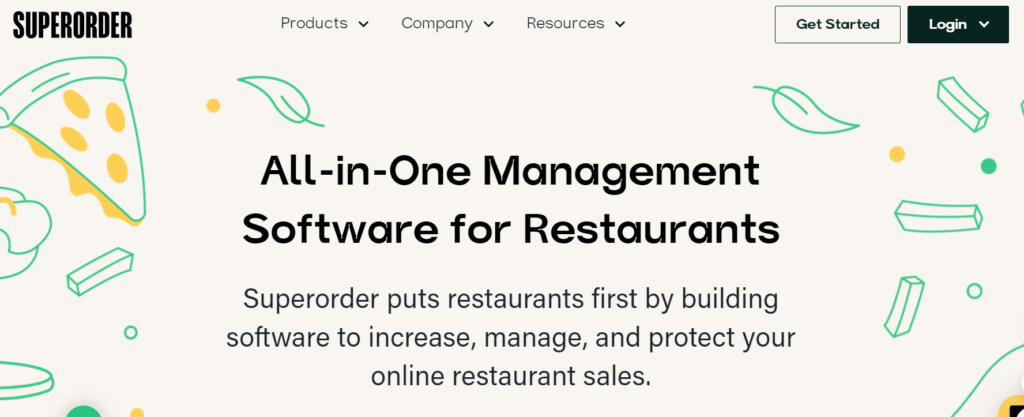
Superorder, to illustrate, is a restaurant management software, that enhances operational efficiency and revenue for restaurants through its platform.
It consolidates online orders, menus, and financial insights into one user-friendly interface and boosts profitability. Its focus on data-driven solutions and virtual restaurants helps establishments thrive in the competitive online dining landscape.
13. Compliance and Payroll Software
A dedicated compliance and payroll software solution can save time and reduce errors by automating tasks like tax calculations, reporting, and employee data management.
You can create software that enables businesses to focus more on core operations and less on administrative burdens, ultimately fostering accuracy and regulatory peace of mind.
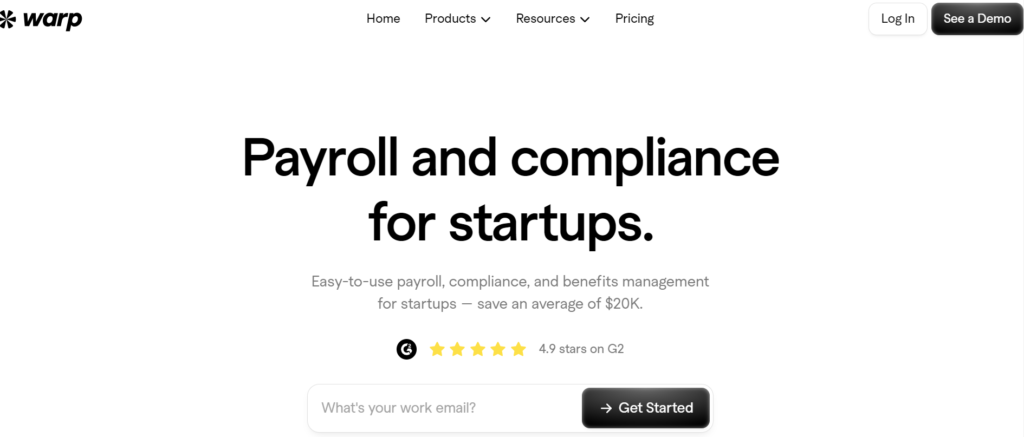
Warp, for instance, offers an essential solution for startups by simplifying payroll, compliance, and benefits management.
Startups can automate state tax registrations and ensure global contractor payments in local currencies. Warp streamlines operations, allowing founders to focus on growth without the administrative hassle.
Productivity Software Ideas
Productivity tools are needed for better time management, and to improve personal and professional workplace. This software can simplify the complexity of tasks and offers solutions to help you stay focused, organized, and productive.
This market presents a profitable opportunity to create impactful tools that improve your client’s lives.
14. Workplace Management Software
Companies of all sizes seek robust solutions to manage their physical and virtual workspaces. Workplace management software addresses these needs by offering tools for scheduling, resource allocation, communication, and compliance management.
You can help businesses optimize their operations, improve productivity, and create a more cohesive work environment.
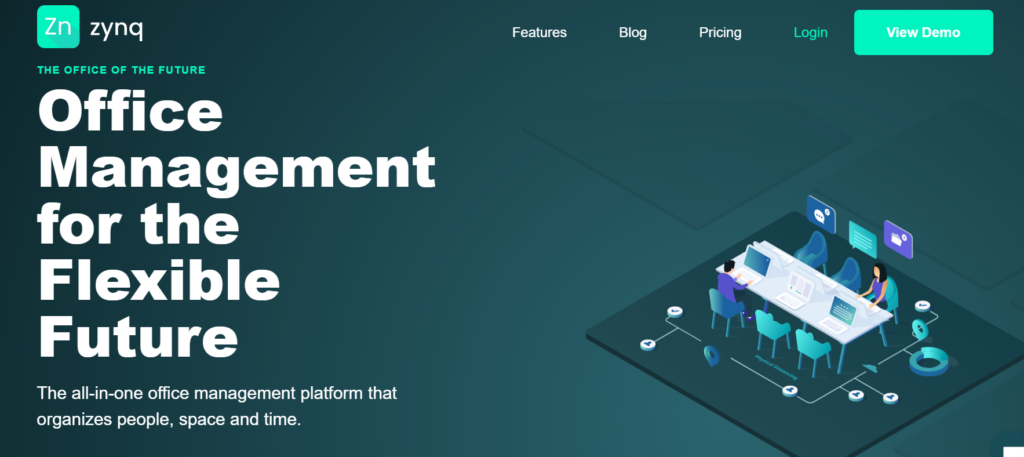
Zynq, for example, is an office management platform that offers a suite of features, including bookable desks, contact tracing, access control, configurable workspaces, buddy sync, enterprise integration, and actionable analytics. It has additional services for meeting rooms and visitor management.
15. Document Collection Software
Document collection software provides secure, automated solutions for gathering and processing documents, improving accuracy, and streamlining workflows.
You can offer innovative tools that help businesses save time and revolutionize document management practices.
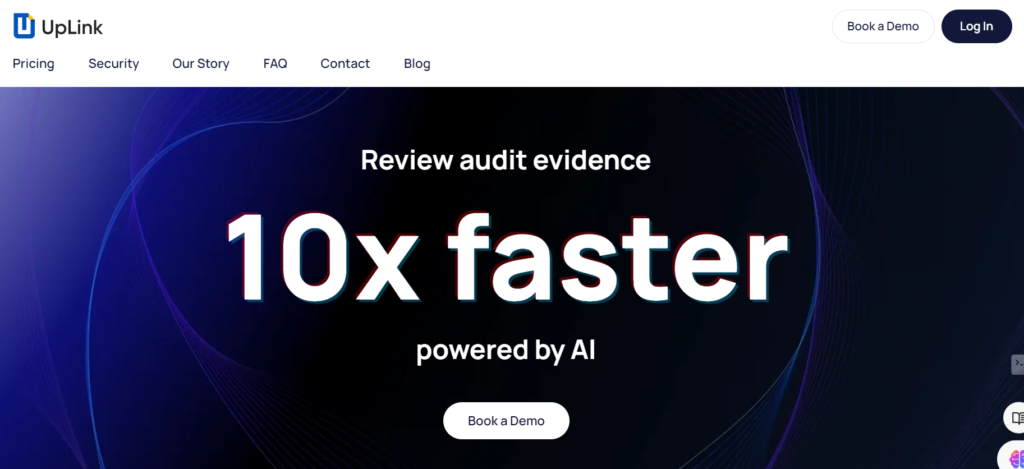
UpLink, to illustrate, is an AI document collection software that allows you to review audit evidence, analyze hundreds of documents at once, and export results to Excel.
It is SOC2 certified and has zero data retention, ensuring data privacy and protection. The platform offers robust support and workflow integration for better document management.
16. Customer Onboarding Software
Customer onboarding is crucial for ensuring long-term customer satisfaction and retention. This software simplifies integrating new clients, offering features like automated workflows, personalized welcome materials, and real-time progress tracking.
You can help companies reduce churn, increase customer loyalty, and create tools that transform the customer experience.
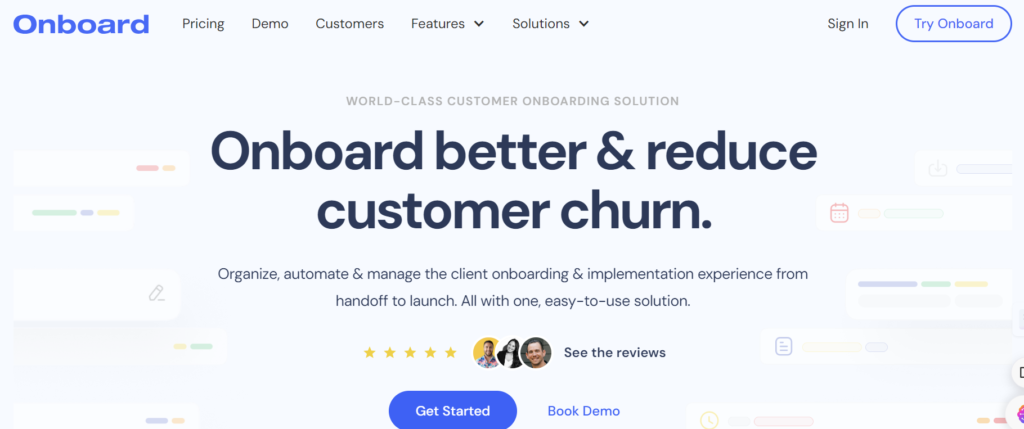
Onboard, for instance, is a customer onboarding solution that reduces churn rate by organizing, automating, and managing the client onboarding and implementation experience from handoff to launch.
It offers features like customized launch plans, automated task lists, and real-time progress tracking, Onboard helps teams collaborate and offers integrations with popular tools like Salesforce, HubSpot, and Slack.
Ecommerce Software Startup Ideas
Ecommerce software solutions improve customer experiences and drive sales. Creating innovative tools that can help businesses manage their online stores offers growth potential and the chance to make a great impact by empowering businesses to succeed in the digital age.
17. Personalized Product Recommendations
Personalized product recommendations suggest items tailored to individual preferences, improving customer satisfaction and driving sales. You can help online retailers increase conversion rates, reduce cart abandonment, and foster customer loyalty.
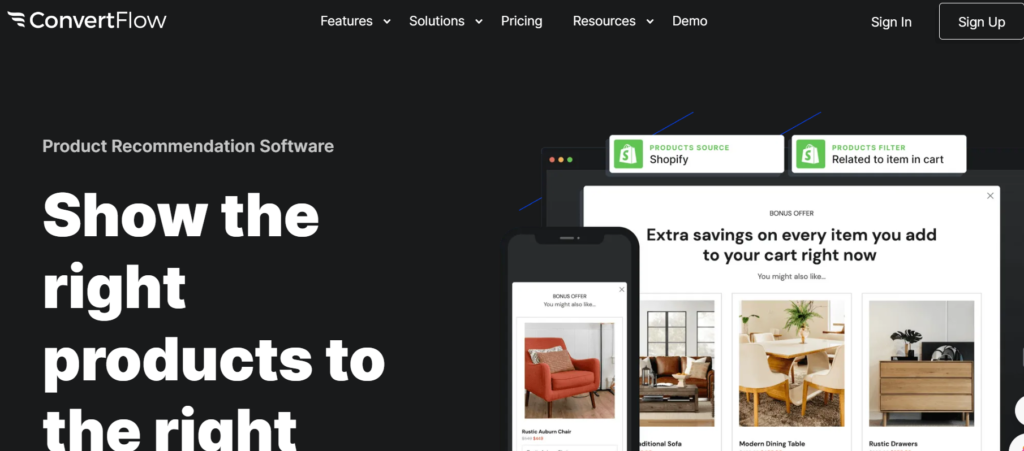
ConvertFlow, for example, is a product recommendation software that helps you show the right products to the right shoppers by embedding personalized feeds into pages, popups, quizzes, and more.
The platform enables tailored product offers based on cart contents, quiz results, or browsing behavior, promoting sales and customer engagement. ConvertFlow can help maximize your sales, AOV, and LTV by recommending the most relevant products to your customers.
18. Inventory Management Software
By developing inventory management software, you can offer solutions that automate and optimize inventory processes, providing real-time tracking, forecasting, and analytics. This business caters to retail, manufacturing, healthcare, and logistics, presenting growth opportunities.
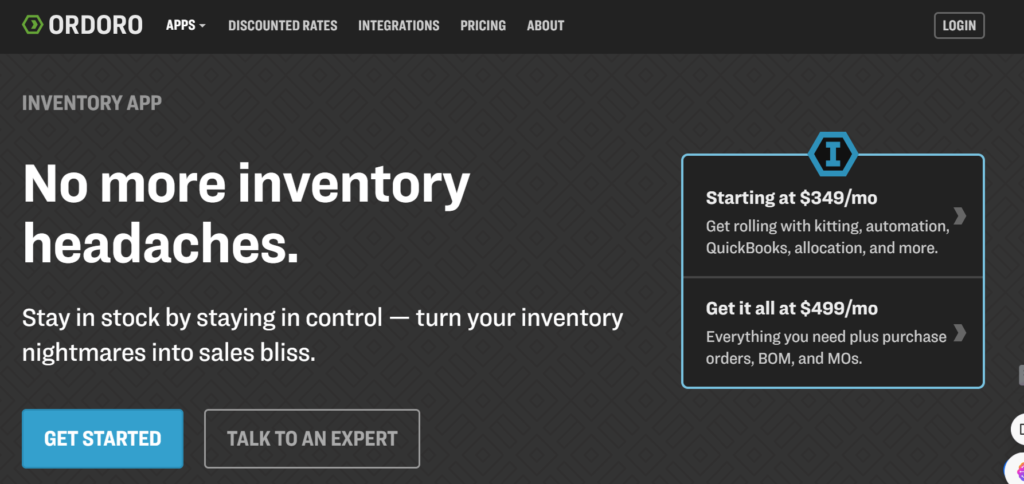
Ordoro, to illustrate, is an inventory management software that offers control and visibility to keep your stock in check and boost sales.
It has features like auto-syncing stock levels, automated low-stock alerts, multi-warehouse management, and integration with various sales channels. The platform also includes automation tools to save time and enhance productivity.
19. Social Commerce Integrations
Social commerce integrations enable businesses to sell products through popular social networks, improving customer engagement and simplifying the purchasing process.
You can offer tools to integrate shopping features, manage transactions, and track analytics across various social platforms.
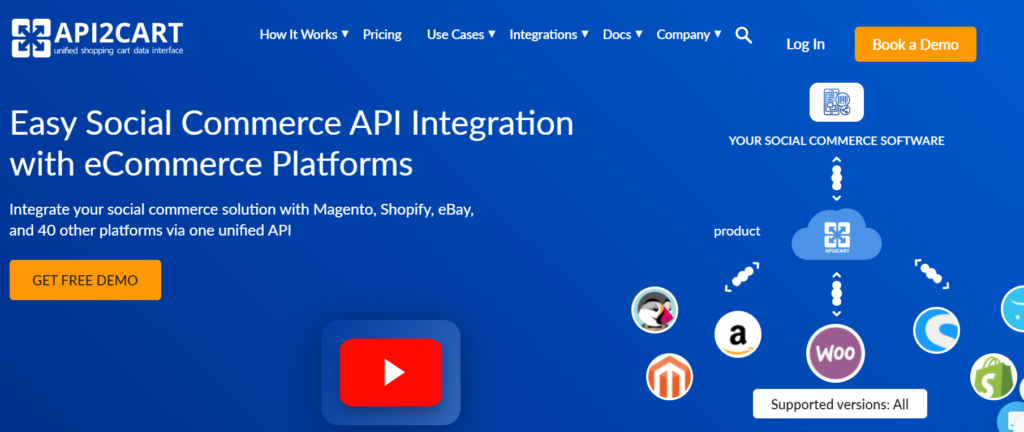
API2Cart, for instance, simplifies social commerce API integration by connecting your solution with over 40 Ecommerce platforms like Magento, Shopify, and eBay through a single unified API.
This integration enables product import, real-time order synchronization, and automatic updates to social pages, saving development time and costs.
Green Technology and Other Software Ideas
Developing software solutions that promote energy efficiency, reduce carbon footprints, and support renewable energy initiatives presents a promising business opportunity.
Green technology software can contribute to a healthier planet, driven by both consumer demand and legislative support for sustainable development.
20. Carbon-Accounting GreenTech Software
Carbon accounting software helps organizations track, report, and reduce their greenhouse gas emissions, ensuring compliance with regulatory requirements and supporting sustainability goals. You can identify areas for improvement and make data-driven decisions to achieve carbon neutrality.
Persefoni, for example, offers AI carbon measurement and reporting, enabling businesses to measure, report, and decarbonize their carbon footprints across Scope 1, 2, and 3 emissions.
It provides assurance-grade GHG emissions reporting and advanced decarbonization management, aligning with major climate disclosure regulations.
21. Sustainable Energy ERP Software
Sustainable energy ERP (Enterprise Resource Planning) software integrates various business processes, from supply chain management to compliance tracking, specifically tailored for renewable energy companies.
You can enhance data accuracy and optimize resource allocation, addressing the increasing demand for clean energy solutions.
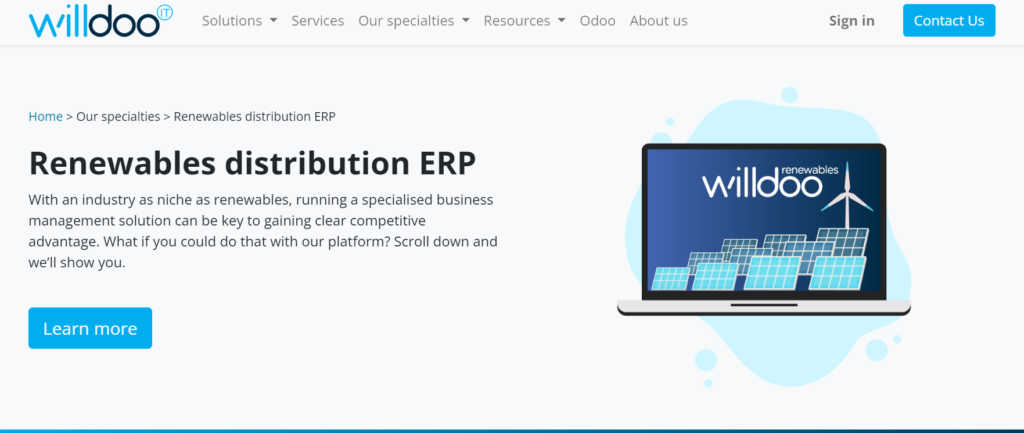
WilldooIT, to illustrate, is a renewable distribution ERP, designed to meet the specific needs of the renewable energy sector, providing an all-in-one platform to manage workflows, improve customer experience, and grow sales channels.
The software integrates order management, inventory control, CRM, accounting, and more, streamlining operations and reducing software costs.
22. Data Intelligence in Energy Storage
You can develop software that utilizes data analytics, AI, and machine learning to provide energy storage for companies with data insights to optimize performance, improve operational efficiency, and extend battery life.
This business idea taps into smart energy management to develop a more resilient energy infrastructure.
IQHi, for instance, is a platform for data intelligence in energy storage, utilizing advanced algorithms and big data to enhance product reliability and performance.
Their cloud-based platform offers data management and analysis, transforming complex battery data into actionable insights for faster development and improved decision-making.
23. Home Energy Optimization Software
Home energy optimization software utilizes data analytics to monitor, control, and optimize energy usage in real time. This business idea addresses a growing market need, providing tools to reduce their carbon footprint and enhancing a global push towards greener living.
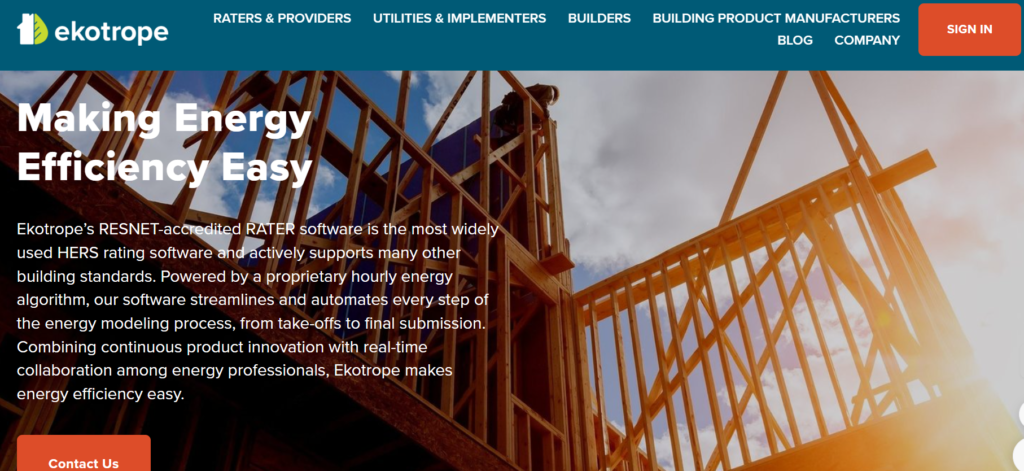
Ekotrope, for example, is a RESNET-accredited RATER software with a HERS rating tool, streamlining the energy modeling process for new homes and renovations.
It simplifies tasks from take-offs to final submission, ensuring high-quality ratings and real-time collaboration. Ekotrope improves efficiency for raters, program managers, and utilities, collectively saving over 280,000 metric tons of CO2 annually.
24. Personalized Financial Planning
Personalized financial planning software provides customized advice and strategies based on each user’s unique financial situation, risk tolerance, and long-term objectives. By developing such software, you can tap into a growing market demand, enhancing financial well-being.
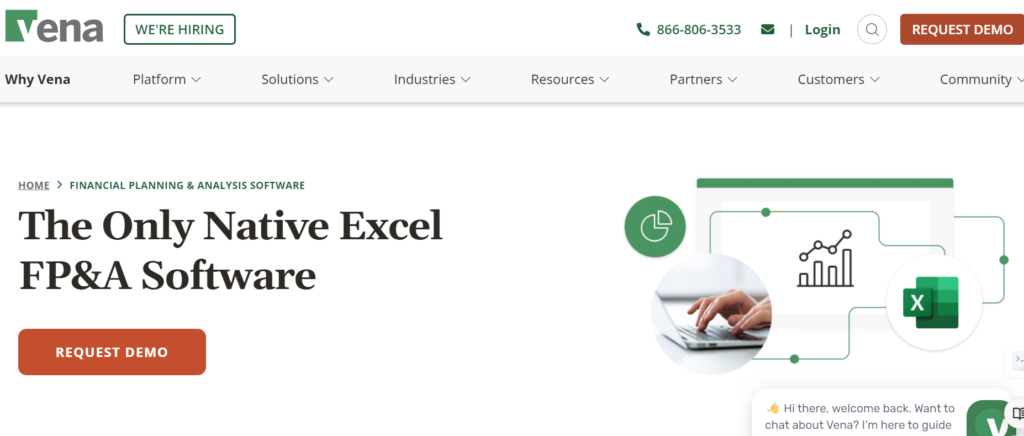
Vena, to illustrate, is a financial planning and analysis (FP&A) software, that integrates with your data sources and provides templates for budgeting, forecasting, and reporting.
The platform automates workflows, ensures data security, and enhances collaboration, making financial planning accurate. Vena’s customizable solution leverages Excel’s interface with advanced functionalities to support financial management needs.
25. NFT Management Software
Non-fungible tokens (NFTs) have revolutionized the digital asset market, creating a new frontier for art, music, gaming, and more. You can develop an NFT management software to create, track, trade, and secure these digital assets.

Rarible, for instance, is an NFT management platform that allows you to search for collections, and create, explore, and sell NFTs.
The platform integrates with various popular collections, offering tools for minting, trading, and managing NFTs, and supports an ecosystem that combines toys, gaming, and collectibles.
It has features like a central database, Excel templates, and automated workflows.
Parting Tips: How to Take Advantage of the Big Platform Shift to AI?
The shift to AI is transforming business operations, you need to understand AI applications in your industry, automate repetitive tasks, and improve decision-making.
Invest in AI training for your workforce and partner with AI startups or integrate AI tools into your infrastructure to stay ahead.
TK Kader, entrepreneur and founder of Unstoppable, highlights the importance of platform shifts in a recent YouTube video.
He says, “Advancements in AI and platform shifts are driving rapid disruption and innovation in the SaaS industry. There are substantial opportunities for SaaS startups to leverage the current platform shifts and macro trends for success.”
Kader emphasizes enhancing existing platforms rather than rebuilding from scratch, aiming for a 20% improvement. He recommends solving one feature excellently and building a strong go-to-market strategy to succeed.
Join Bot Memo’s community for more such startup ideas around software!

About the author
Editorial Staff
The Editorial Staff at Bot Memo is a team of writers, analysts, and AI agents dedicated to mapping the global AI startup ecosystem. Led by Chintan Zalani, the team tracks thousands of funding rounds, classifies companies across verticals, and distills it all into actionable intelligence for investors and founders.