

AI has made the creation of art accessible to a wider group of artistic folks. What about selling AI art? There are art enthusiasts and collectors who are shelling out cash for creative and unique AI generated art.
We’ll break down step by step how you can sell AI art today. Let’s start tackling basic questions around this before we start.
Is it Legal to Sell AI Art?
Selling AI-generated art is a bit of a legal gray area. Here’s a breakdown:
1. Copyright Protection: AI-generated art can be copyrighted if it’s original and creative. You can’t copy existing copyrighted works without permission.
2. Fair Use: Limited use of copyrighted AI art is allowed for purposes like criticism, teaching, or research.
3. Platform Rules: When using AI art tools, follow the platform’s terms of service, which might limit commercial use.
4. Licensing: Even if it’s unclear who owns the art, artists or companies can still sell or share it with specific rules. They might limit how the art is used or ask for credit when it’s displayed.
So, while it’s possible to sell AI art, there are lots of things to consider legally and ethically.
Is it Ethical to Sell AI Art?
Selling AI-generated art raises ethical concerns due to its reliance on existing artworks without crediting original artists, which can be seen as exploitation.
Artists should watch out for biases in AI algorithms, get permission when using people’s data, and be clear about AI’s role in the art. It’s important to be transparent about human creativity versus machine input to ensure the art respects everyone’s rights and societal values.
Additionally, commercial AI art tools profit from artists’ works, often without proper compensation, further complicating the ethical landscape of AI art creation and distribution.
Can AI Create High-Quality Art?
Yes, AI can create high-quality art. Recent advancements in machine learning algorithms have allowed AI to generate realistic paintings, sculptures, and other forms of art. AI can learn from human-created art, mimicking styles and techniques, and even creating original pieces.
Some notable examples include the AI-generated portrait of Edmond de Belamy sold at Christie’s auction house for $432,500 and the AI-generated artwork exhibited at the Museum of Modern Art in New York.
However, the debate continues about whether AI-generated art is “real” and whether it has artistic value.
Can You Make Money From AI Art?
Yes, you can earn from AI art by selling original pieces, prints, or merchandise. Charging for custom art commissions or creating AI art for commercial purposes, like advertising, are also viable income sources. Despite being a new field, AI art offers lucrative opportunities.
10 Marketplaces to Sell AI Art
Selling AI-generated artworks on specialized platforms has become increasingly popular, offering artists a unique avenue to showcase and monetize their creations.
Let’s explore some of the prominent marketplaces where AI art finds its audience and buyers.
1. Etsy
Selling AI art on Etsy involves using AI art generators to create unique pieces and listing them for sale on the platform. Ensure you understand copyright issues related to AI-generated art and adhere to Etsy’s guidelines, which may require human alteration of AI-generated works before listing.
You can profit from AI art by building AI tools, selling NFTs, offering custom art services, or selling print-on-demand products.
Stay updated on Etsy trends, choose a suitable AI art generator, and promote your Etsy shop to maximize sales.
2. Wirestock
Wirestock is a platform automating content licensing and distribution to 20 global stock marketplaces, maximizing creators’ market reach. It features an AI image generator and reduces manual tasks, making it ideal for AI artists looking to expand their earnings and visibility.
3. Redbubble
Focusing on print-on-demand products like clothing and home decor, Redbubble offers a global reach for artists. While it handles production and shipping, artists might face competition and receive a smaller profit margin due to its popularity.
4. Fiverr
A freelance marketplace where artists can offer custom AI art commissions, graphic design, and animations. With a focus on individual gigs, Fiverr allows artists to showcase their skills, though they may face competition and service fees.
5. Upwork
A freelance platform connecting professionals with clients, Upwork offers a broad range of AI art projects. It provides flexible work arrangements but requires time to establish a client base and charges service fees.
6. Society6
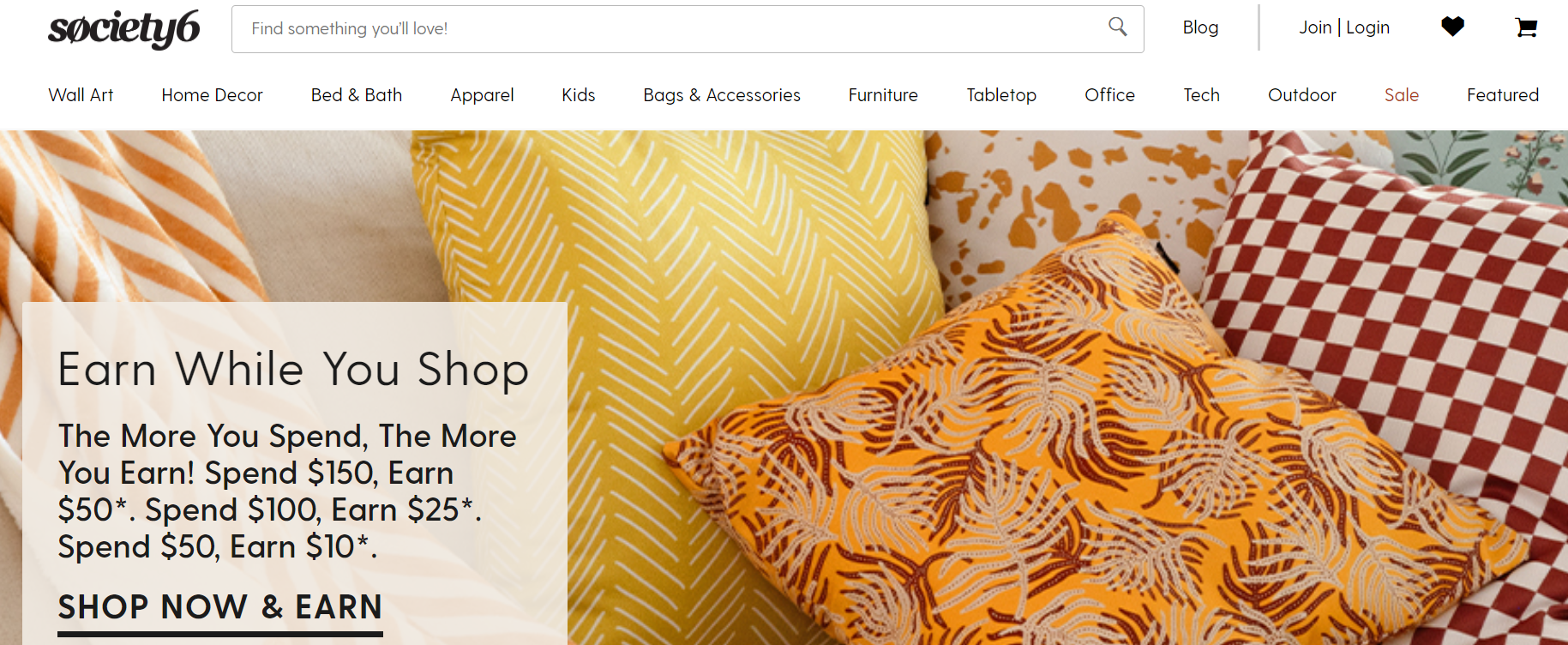
Specializing in art and home decor, Society6 handles printing, production, and shipping for AI artists. While it offers product diversification and professional production, artists have limited control over pricing and profit margins.
7. Saatchi Art
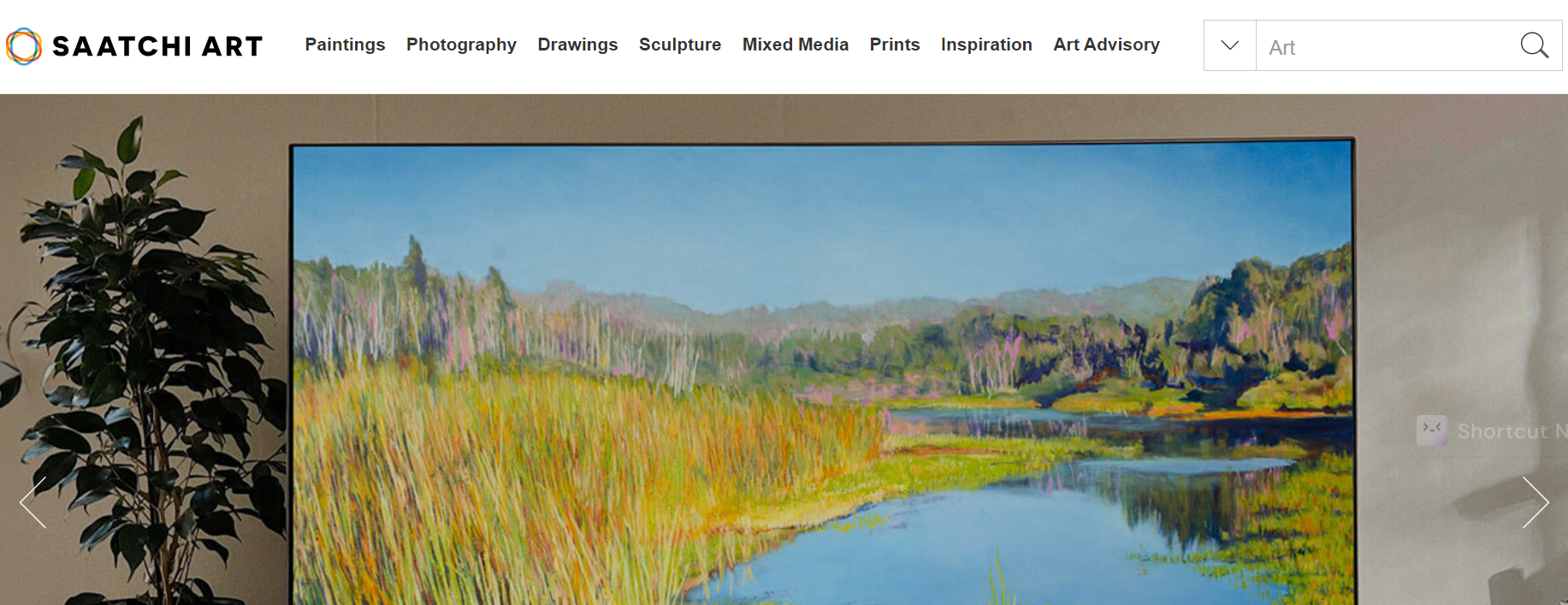
An art marketplace emphasizing art curation and exclusivity, Saatchi Art offers AI artists a platform to showcase and sell their work to a global audience. Artists can create detailed profiles, set their prices, and benefit from personalized advisory services.
While it provides exposure through curated collections and exhibitions, AI artists may face competition to be featured and must meet the platform’s quality standards.
5 More Ways to Make Money From AI Art
In addition to platforms like Etsy, artists can monetize AI art through digital art auctions on sites like Foundation or OpenSea, licensing for advertising or branding purposes, custom commissions tailored to individual or corporate needs, and merchandising unique AI-generated designs on various products.
Here are five alternative methods to monetize AI art:
1. Teach AI Art Online
Artichoke AI – D.K, for instance, is an AI Educator and Artist based in Prague, Czechia. He specializes in using AI for design and assists designers and entrepreneurs.
His focus areas include creating consistent characters and developing “AI Influencers.” He shares insights, techniques, and hacks on AI tools like DALL-E 3 and mid journey to help others achieve better results in their AI-generated art.
With over 7,000 followers, he frequently provides tutorials and tips through his posts on social media platforms.
2. License to Businesses
Given the complexity of copyright law, artists should seek advice from legal experts when choosing a license for their AI-generated artwork.
By providing quality, customizable AI art solutions under clear licensing terms, you can cater to the growing demand for innovative visual content in various industries.
This business model allows companies to access and utilize AI-generated artwork for branding, marketing, and product design without the need for in-house AI expertise.
3. Merchandise and Sell on Demand
By leveraging AI algorithms, you can produce unique and diverse artworks that cater to a broad audience.
By utilizing platforms like DeepArt, DALL·E, and RunwayML, one can easily create, customize, and market their AI-generated pieces, meeting the growing demand for innovative digital art in today’s market.
Detour Shirts on YouTube shares designing T-shirts with AI (Artificial Intelligence). The video showcases how to use ChatGPT and Dall-E 3 to create graphics for print-on-demand T-shirt designs for online businesses and passive income.
4. Explore NFTs
NFT (Non-Fungible Token) is a unique digital asset that represents ownership of a specific piece of art, music, or other digital content. NFTs can be used to sell AI-generated art as unique and exclusive digital assets.
Some platforms, such as OpenSea and Rarible, specialize in selling NFTs and have a thriving market for AI-generated art.
AI art sold as NFTs includes pieces by Obvious, a French artist recognized for his AI-generated portraits.
5. Build an AI Art Generator Software
Discover our top AI art software tools that can inspire you to start your venture in AI art.
For instance, Javi Lopez – founder of Magnific AI, dedicates hours to researching AI, offering tutorials, tools, and news for enthusiasts.
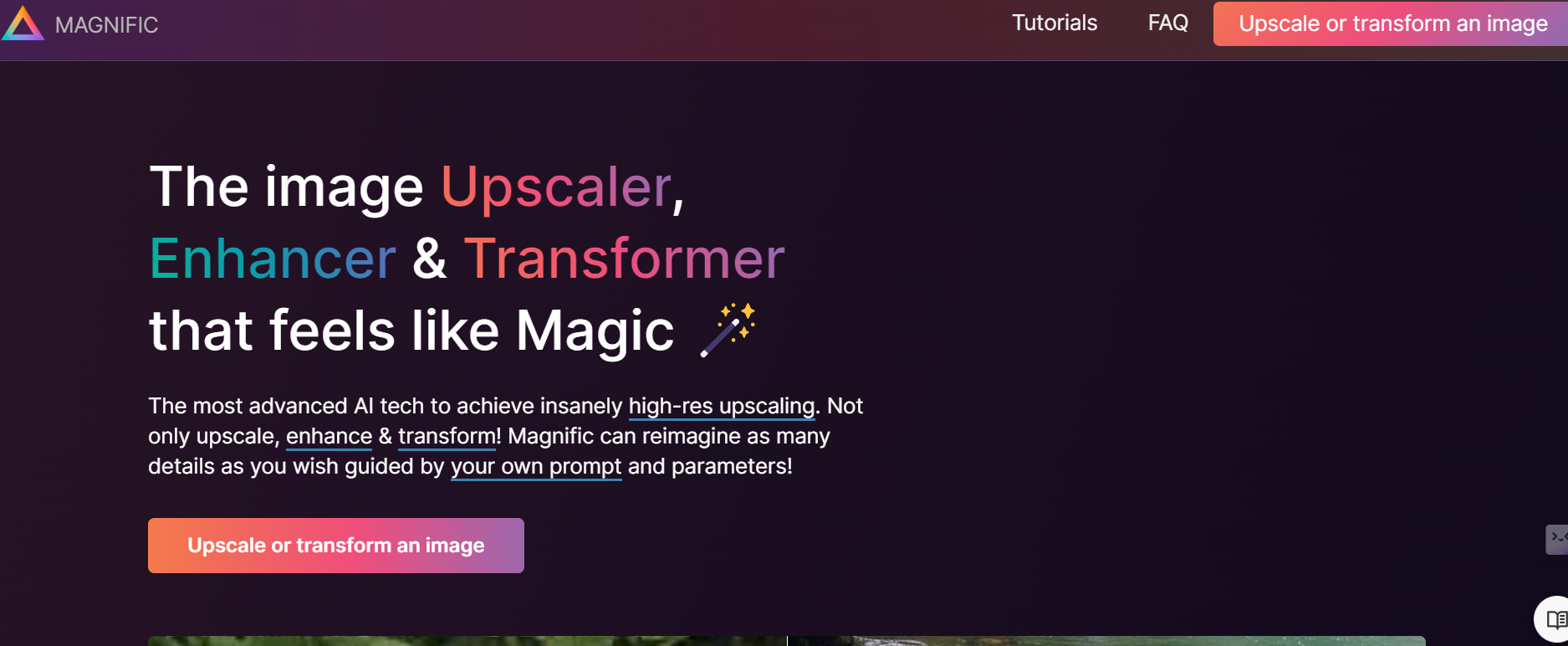
He announced the launch of “Magnific AI” on LinkedIn, an advanced upscaler and enhancer that creates new image details. The tool features a unique “Creativity slider” for enhanced image hallucination.
He’s been using Magnific in his posts and animations, claiming its unmatched capability in the market. The announcement garnered positive engagement and interest from professionals.
Don’t miss out on innovative AI business opportunities.
Selling AI Art Could be a Hit or Miss!
YouTuber Patryk Marketer utilized Every B to sell AI-generated art on Etsy, earning $621 from 216 orders within a month and achieving a 9.1% conversion rate. While he emphasized the lucrative returns and reduced customer service needs, he also pointed out the time-consuming process of generating the art.
In line with this, Jensen Tung shares his journey of crafting AI art using tools such as Midjourney and Stable Diffusion, and his attempt to sell these prints on Etsy over 30 days.
Key takeaways from his experience include:
– The significance of focusing on niche markets to differentiate oneself on platforms like Etsy and highlights the value of niche targeting for organic visibility and sales.
– Recognizing and mitigating bot traffic to foster authentic engagement and potential sales.
– While leveraging advertising tools like Etsy ads can be beneficial, it’s essential to refine strategies for optimal profitability in saturated markets.