

What are the Types of B2B Buyers?
There are majorly 4 types of B2B Buyers:
1. B2B Producers: Companies that transform goods into other products, they buy specific items for production.
2. Resellers: Wholesalers, retailers, and brokers that sell goods without altering them. They simplify logistics and often buy in bulk.
3. Governments: Central governments, such as the U.S. and Canada, are major purchasers of goods and services. They buy a wide range of products and services through contracts. Selling requires registration and navigating bureaucracy.
4. Institutional Buyers: Non-profit organizations like schools, hospitals, and corporations. They have significant supply needs and can provide lucrative sales opportunities.
Subscribe to our weekly newsletter to receive the latest profitable B2B business ideas.
B2B Vs. B2C: Which Model is More Profitable For a First-Time Founder?
Rob Walling discusses the profitability of B2B and B2C Software as a Service (SaaS) companies.
Walling emphasizes that “While both B2B and B2C SaaS businesses can be profitable, B2B is generally better due to lower churn rates, higher prices businesses are willing to pay, and the ability to invest in paid traffic acquisition.”
11 Types of B2B Business Ideas
1. AI Business Consultancy

Iflexion, for instance, is an AI consulting firm offering services in AI software development, data science consulting, and computer vision software.
They assist businesses in AI adoption, system reengineering, and AI expansion, emphasizing ethical AI practices and regulatory compliance.
Mostafa Ali, Consulting Director and Strategic Leader, emphasizes, “Artificial intelligence (AI) is rapidly disrupting industries across the globe, and the business consulting sector is no exception.”
2. Custom AI Chatbot Development
Amar Harolikar, a Decision Sciences Specialist, highlights, “AI-enabled chatbots connected to your data sources that can answer questions, process data, automate tasks, and take action.”
He emphasizes that today’s AI bots are more than just chat tools; they serve as business power tools capable of supercharging operations.
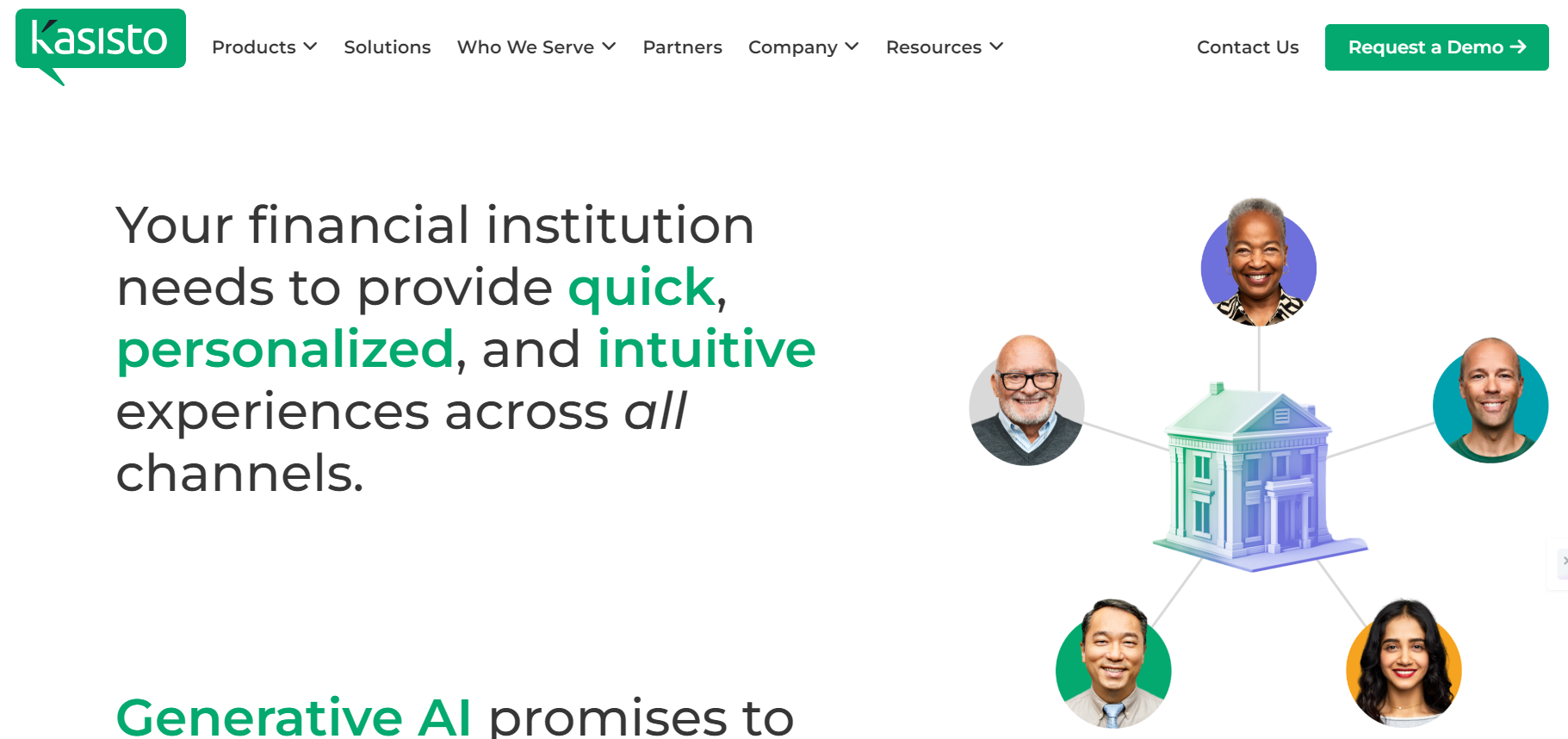
Kasisto, to illustrate, is a conversational AI platform for banking, offering human-like interactions and personalized responses.
It empowers financial institutions, driving growth and enhancing digital engagement for banks, credit unions, and FinTech partners.
3. Build a Privacy-First Analytics Platform
Global data regulations like GDPR and CCPA are transforming targeted advertising, pushing the industry towards more transparent and privacy-focused strategies.
Advertisers are adopting alternative methods such as contextual advertising and zero-party data to maintain relevance while respecting privacy.
This shift underscores the need for brands to balance personalized experiences with ethical data practices in a changing regulatory landscape.
In 2022, Gartner forecasted that by the end of 2024, privacy regulations would cover the personal data of 75% of the global population.
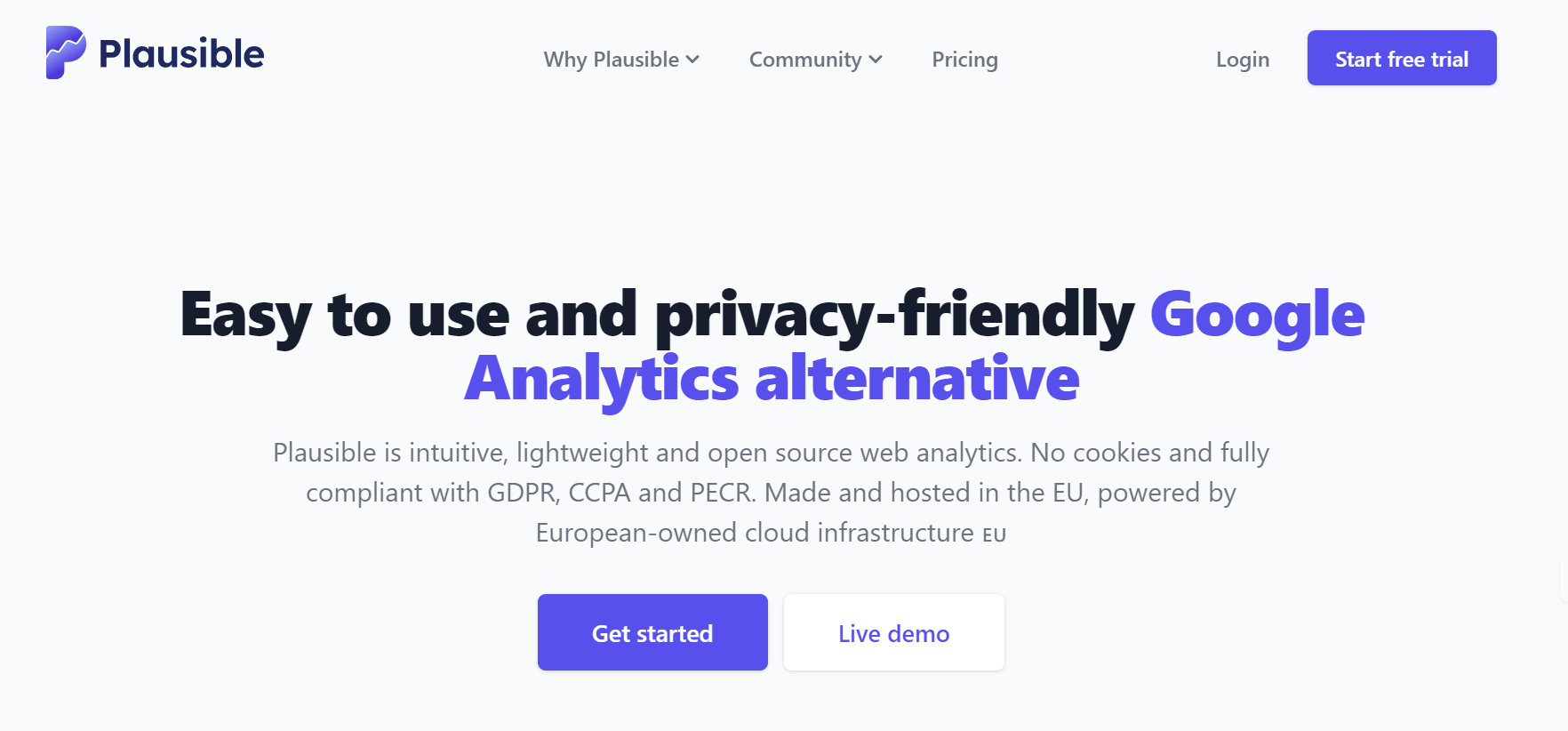
Plausible, for example, is a privacy-focused alternative to Google Analytics, developed in the EU. It offers intuitive web analytics without cookies, prioritizing user privacy and site speed.
4. Offer Sustainability Consulting to Businesses
In 2022, the market size for global sustainability consulting was valued at USD 7,361.2 Million. It is expected to grow to USD 29,026.9 Million by 2031

AirGo Design, for instance, offers lightweight, cost-effective, and recyclable composite technology that replaces traditional metallic structures.
Their full-composite aircraft seat is significantly lighter and stronger than aluminum and steel, with faster production rates and a lower carbon footprint.
5. Build an AI Cybersecurity Solution
The global AI cybersecurity market is projected to grow from approximately $24 billion in 2023 to around $134 billion by 2030.

Zepo, for example, is a cybersecurity awareness platform addressing human risk through social engineering simulations and personalized training. It offers insights and tools to strengthen an organization’s defenses against cyber threats.
6. Start an Online Store
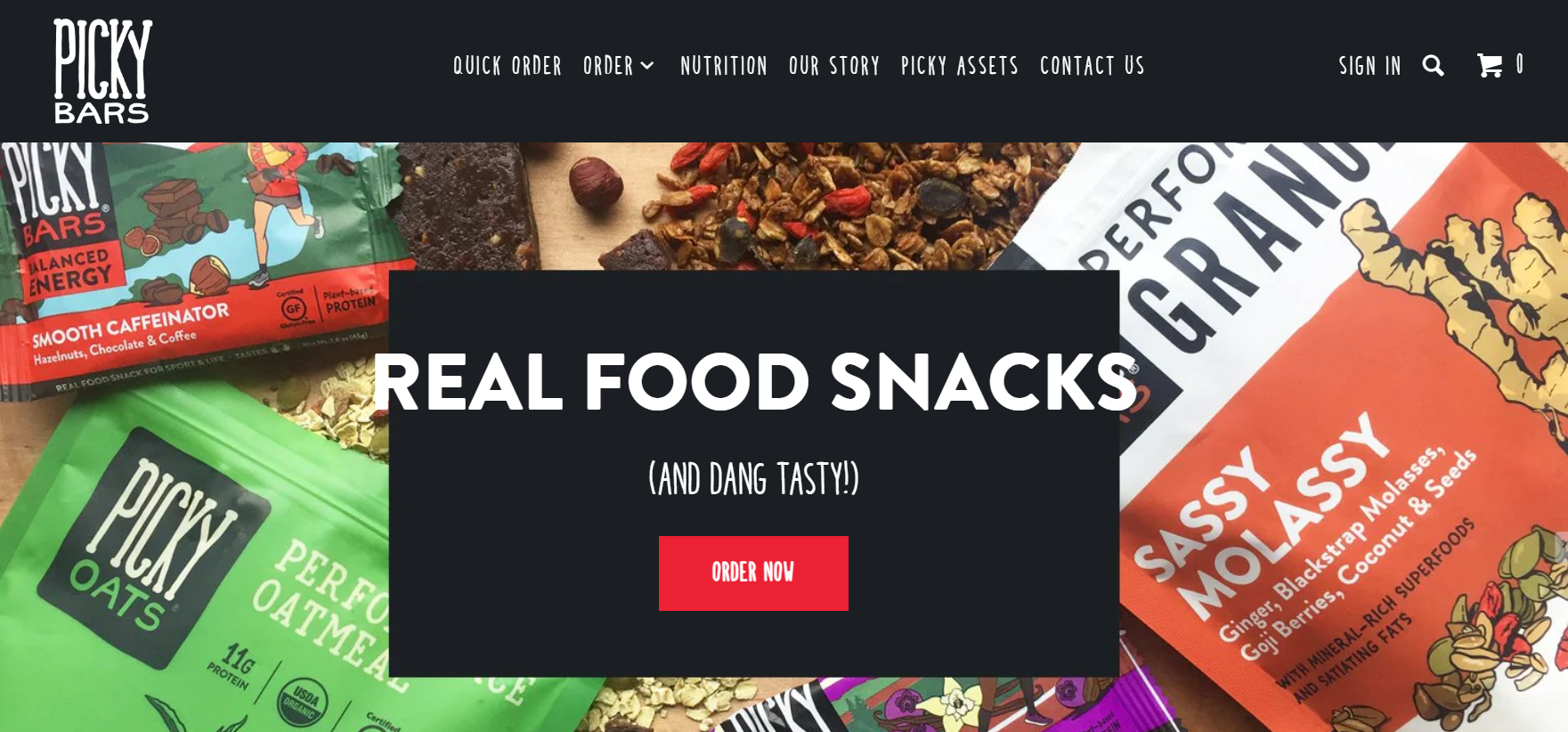
Find inspiration from Picky Bars– a B2B online storefront offering plant-based energy bars and snacks designed by athletes for athletes.
The company sells its products directly to consumers and also distributes to retailers in the US, Canada, Dubai, Korea, Peru, Sweden, and the UK.
7. Become a B2B Influencer

Justin Welsh, to illustrate, is a digital entrepreneur who built a solo business earning $1.7 million annually in just 3.5 years.
With over 360k followers on LinkedIn and rapid growth on Twitter and his newsletter, he generates revenue mainly from selling courses like LinkedIn OS, Content OS, and Creator MBA, bringing in about $1.3 million annually.
He also earns from coaching, newsletter sponsorships, monthly subscriptions, and affiliate marketing.

Ole Lehmann‘s AI journey began with ChatGPT, which he shared insights on via Twitter, quickly amassing 100,000 followers. He launched the ‘The AI Solopreneur’ newsletter platform and made a remarkable revenue of around Rs 1.4 crore in just a month.
Lehmann’s “AI Audience Accelerator” course, priced at $179, attracted over 1,000 enrollees in under a month, showcasing the power of timely and innovative content in the tech industry.
8. Offer Video Marketing Services
Sagefrog, for example, is a B2B marketing agency focusing on video production, testimonials, and training resources. They offer insights through modern marketing strategies and tools.

Lore Labs, founded by Nathan Lands, is an AI video agency specializing in creating diverse video content for advertisements, entertainment, real estate, social media campaigns, concept pitches, and events.
It utilizes AI tools like Runway and Pika and aims to improve storytelling for a significant online presence and wide-reaching audience.
9. Create a B2B Community

Superpath, for instance, operates as a B2B community for content marketers, offering a multi-faceted approach to engagement and monetization.
Their community includes a membership model, providing exclusive access to a supportive Slack community where members discuss strategies, writing, budgets, and more.
Superpath also hosts an active job board, connecting companies with talented content creators and strategists. Additionally, they offer a freelance marketplace that matches businesses with vetted freelance writers, handling the sourcing, vetting, and payment processes.
This ecosystem provides lucrative opportunities for sponsorship, partnerships, and paid memberships.
10. Predictive Analytics for Supply Chain Management
According to a study by Grand View Research, Inc., the predictive analytics market worldwide is projected to reach USD 23.9 billion by 2025, with a compound annual growth rate (CAGR) of 23.2% during the forecast period.
Kamil Stasiak, COO and SAP Architect, highlights the benefits of AI in supply chain management:
“Early AI adopters cut logistics costs by 15%, reduced inventory by 35%, and boosted service levels by 65% compared to others.” This shows AI is essential for competitive businesses.
11. Build a Niche B2B Website
Building a niche B2B website involves choosing a specific market segment, like a unique service or product, and creating tailored content to address its needs.
Key steps include selecting a relevant domain, opting for affordable hosting, using an SEO-friendly CMS like WordPress, and focusing on content creation and promotion to drive traffic and profitability.
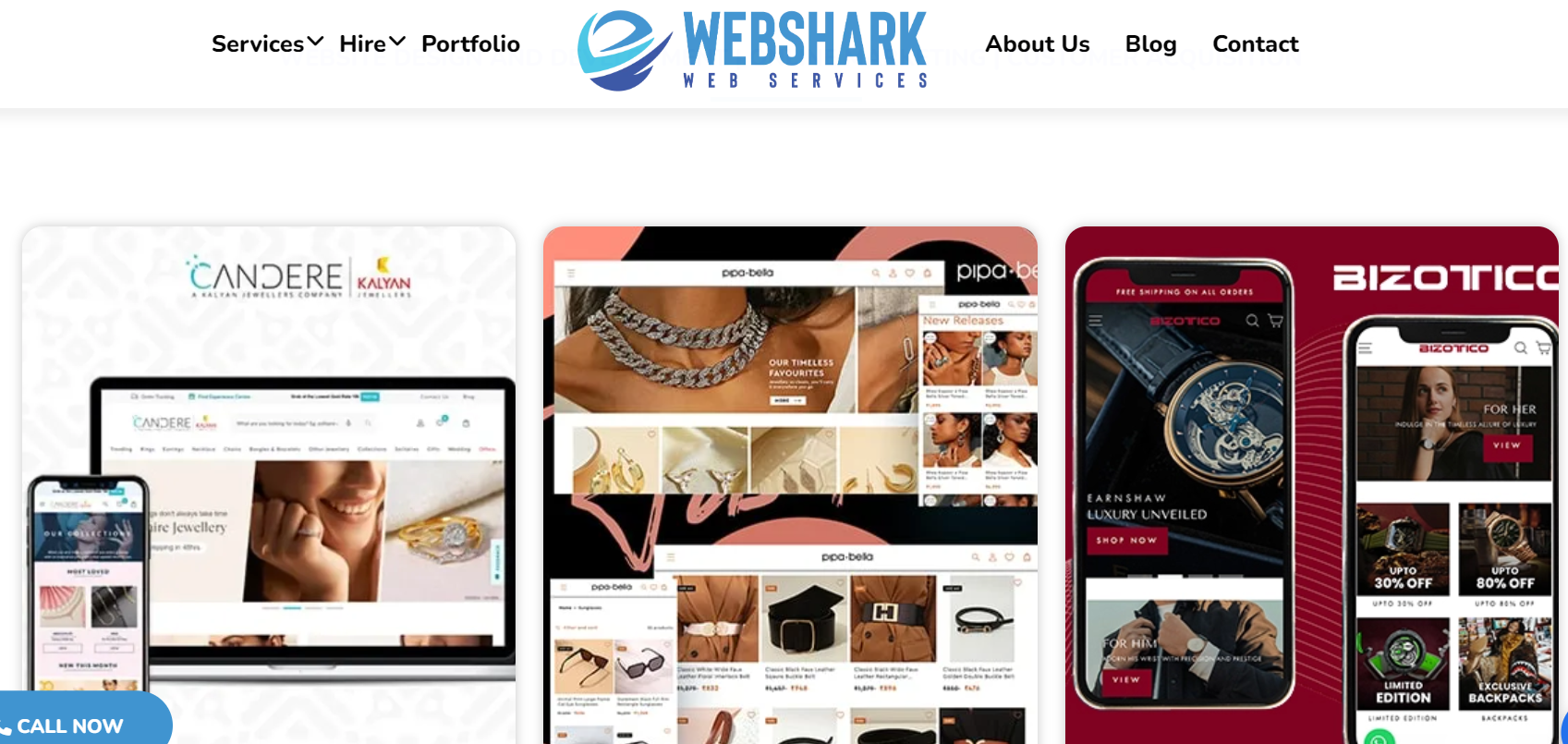
There are many platforms like Webshark to help you build a niche website for your B2B business. This platform also specializes in building website design, e-commerce, mobile app development, and digital marketing, catering to various industries.
Parting Tips on Starting a B2B Business
Gary Vaynerchuk shares B2B Marketing Strategies Practical Tips, Here are some of its key takeaways:
1. Utilize Google AdWords: Identify arbitrage opportunities and leverage them for business growth, as Gary’s family’s liquor business did.
2. Email Marketing: Focus on targeted, tactical email campaigns instead of bulk emails to engage and retain customers effectively.
3. Facebook and Instagram Ads: Trade attention by creating compelling ads that capture audience interest, as exemplified by the impact of a Super Bowl commercial.
4. Emphasize Creativity: Creativity is crucial in marketing and branding on platforms like Facebook to stand out and achieve business success.
Begin by experimenting with diverse AI tools, drawing inspiration from multiple AI startups, and establishing foundational elements for your business.
Wishing you success!
At Bot Memo, we prioritize authentic AI content. While we may showcase AI-generated ideas or ventures, it’s crucial to understand that we don’t endorse utilizing unprocessed or unpolished AI-generated content and products directly. Additionally, keep in mind that AI-generated content typically isn’t subject to copyright protection. Always utilize AI tools judiciously and responsibly for creative or business endeavors.